








The short answer first
Planning a budget trip is simple when you do it in the right order. First, set your total money limit. Then pick your dates, your stay, and how you will get around. After that, plan your food and your free things to do.
Learning how to travel in budget does not mean missing out on fun. It means you make the big choices early, so small costs do not surprise you later. Prices change with season and place, so check current prices before you book. No price here is a promise.
Step 1: Set your total budget first
Start with one honest number: how much can you spend on the whole trip? Not just the room. The whole trip. Write it down.
Then split it into five pots: stay, transport, food, things to do, and a small extra pot for surprises. The surprise pot matters. A bus fare, a bottle of water, or a phone charger can add up. If you plan for surprises, they feel much smaller.
Next, work out a daily limit: divide your food and things-to-do money by the number of days. If lunch was simple, you may have room for a small treat later. If one day goes over, keep the next day lighter.

Step 2: Pick your dates, trip style, and length
If your dates can move, that helps a lot. Travelling just before or just after the busiest season often means fewer crowds and more choice. Weekdays can also be easier than busy holiday weekends. Still, pick dates that fit your work, school, and weather needs too.
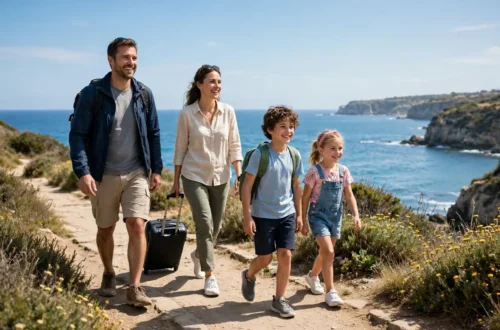
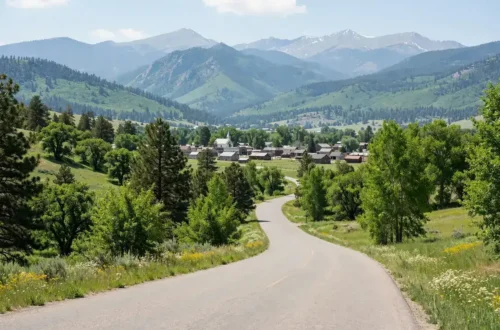
Then pick a trip style: a slow trip with walking and parks, or a busy trip with museums and markets? A city trip is often easier without a car. A nature trip may need a car, so add fuel and parking.
Keep the length honest. Three full days in one place often feel better than five rushed days across three places. One base is often the calmest budget choice.
Step 3: Choose your stay and transport together
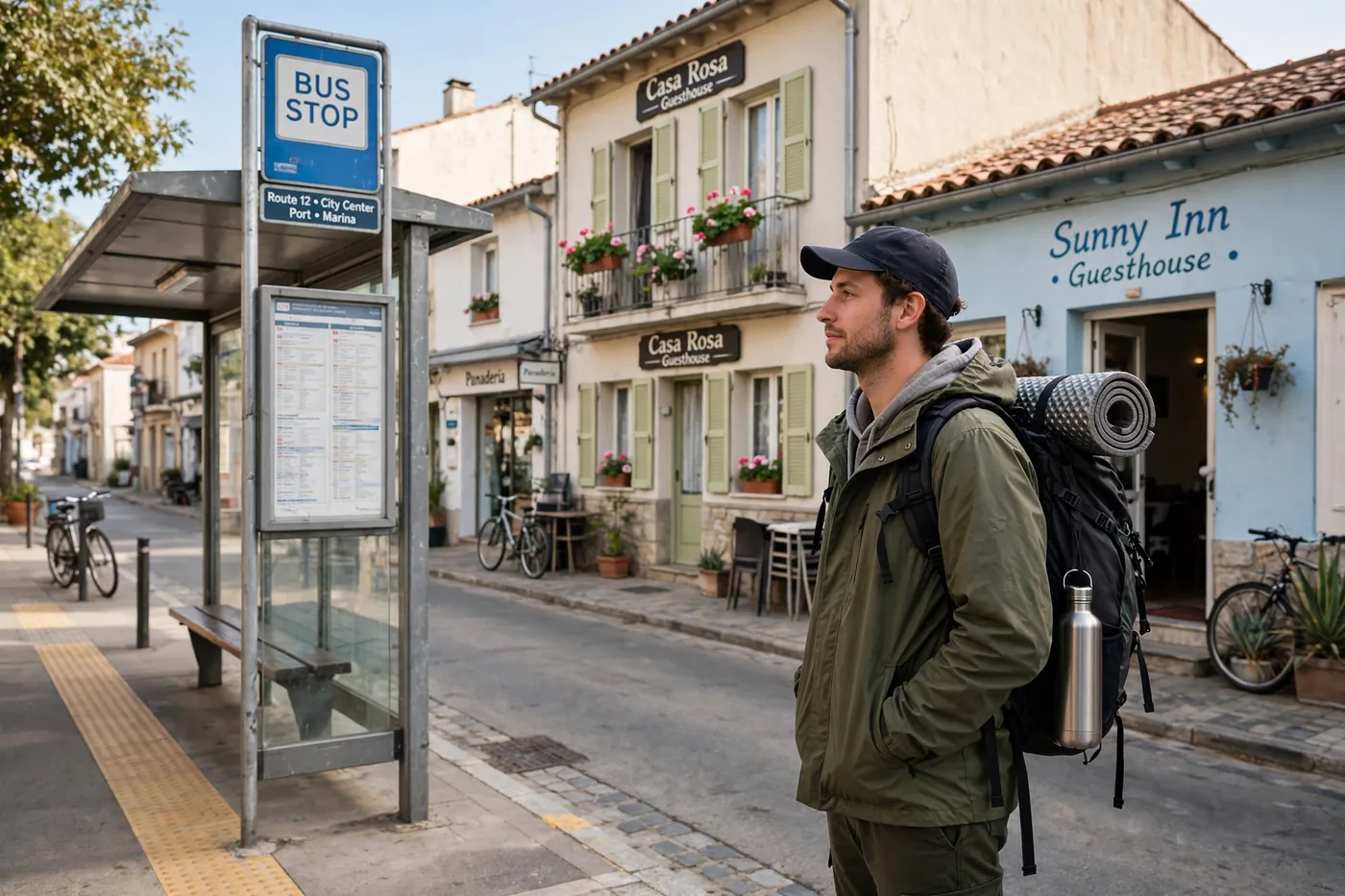
Do not choose stay and transport apart. A stay far from the sights may look cheap, but daily travel can eat up the saving. A stay near buses or walkable streets can save time and fares, even if the room costs a little more.
Look at the type of stay, not just the name. A kitchen helps if you want to cook breakfast or pack a picnic. Read what is included: breakfast, parking, a fridge? Small details change the real cost.
For transport, start with walking and public transport. Walking is free, and you notice shops, parks, and views you would miss in a car. If you need a car, check fuel, parking, and tolls first.
Choices that change your budget
Every budget trip is a set of trade-offs. None of these choices is right for everyone.
| Choice | What it often means | Watch out for |
|---|---|---|
| Flexible dates | More choice, often lower costs, fewer crowds | Weather may be less settled |
| Fixed holiday dates | Easier to plan with family or work | Higher demand and less choice |
| One base for the whole trip | Less packing, less travel time, calmer days | You see one area in depth, not many places |
| Stay with a kitchen | Cook some meals, pack picnics, save on food | You spend some time cooking and shopping |
| Walking and public transport | Low cost, easy in many cities | Slower for far-apart sights |
| Driving everywhere | Freedom for nature and small towns | Fuel, parking, and tolls add up |
If one choice costs more, balance it with a simpler choice somewhere else. That is how a budget plan stays real.
Step 4: Plan food simply, and put free things first
Food is where many trips go over budget. Plan one pattern: a simple breakfast, a grocery lunch, and one nicer meal if you wish.
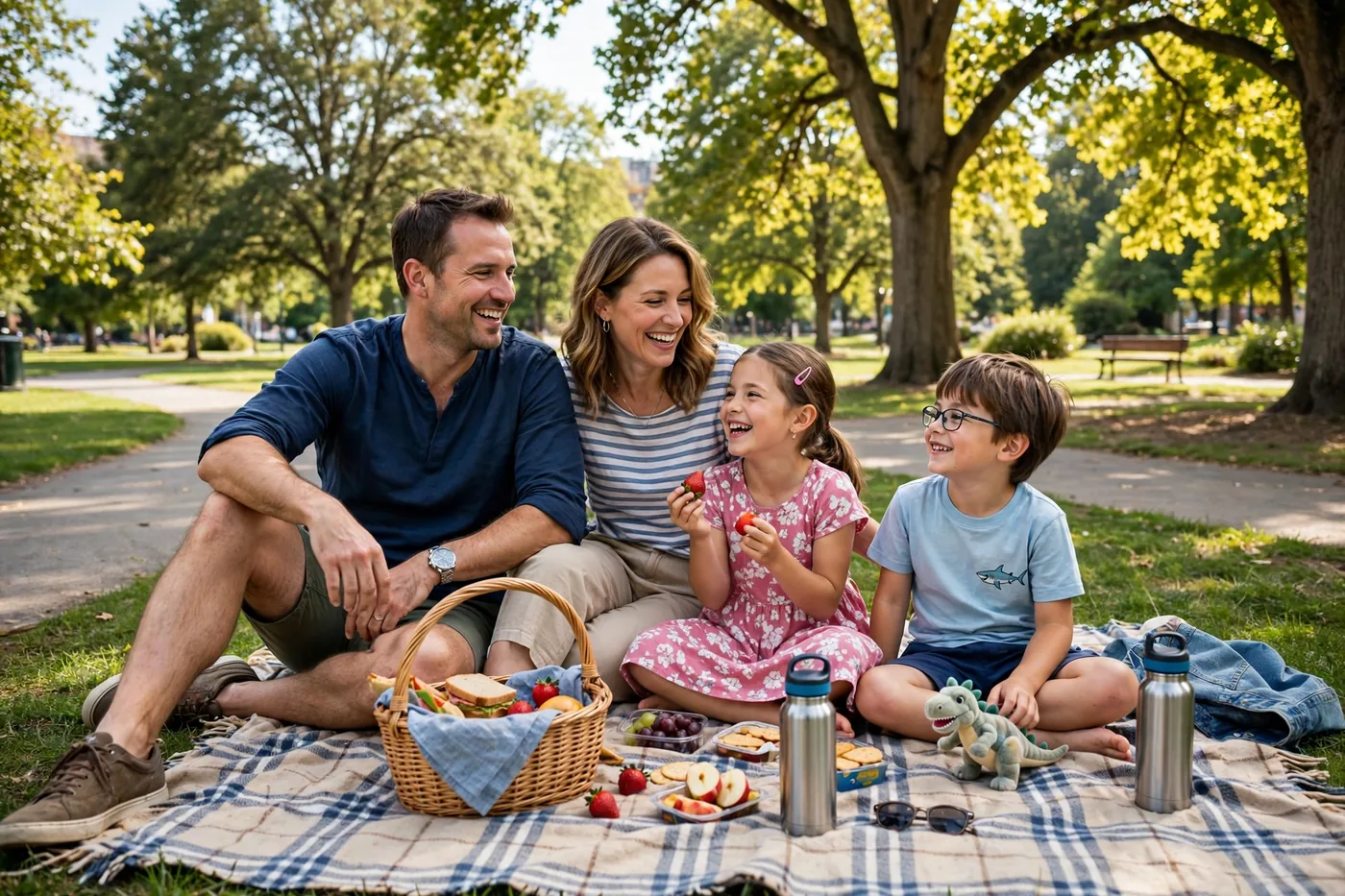
Grocery stops help a lot. Buy water, snacks, and fruit for the day, and pack a picnic. Try local markets and small places to eat, not only the busiest tourist streets. Keep one treat in the plan too.
Then list the free things first. Parks, trails, markets, viewpoints, and free museum days can fill a day on their own. Add just one or two paid sights you truly want.
Plan in loose blocks: morning, one main sight; midday, lunch and rest; afternoon, a park or market; evening, a walk and a simple meal. Leave gaps. That is where the best moments often happen.
A fair look: does planning first really work?
Planning first has real strengths. You know your total limit before you book, so you are less likely to run out of money halfway through. You compare stay and transport together, which avoids hidden travel costs. And a daily limit makes small choices easier, like whether to walk or take a bus.
But it is not perfect. A strict plan can feel tight if you love surprises, and prices can still change, so check again near your trip. That is why this guide leaves gaps in each day and keeps a surprise pot.
Who does this suit? First-time budget travellers, families who want calm days, and anyone who worries about money on holiday. It may not suit travellers who decide everything on the spot. If that is you, just set a total and daily limit, and leave the rest open.
Step 5: Pack light and check before you go
Pack for walking. Good shoes matter more than extra clothes. Take a light bag, a water bottle, sun protection, and layers for changing weather. Pack clothes you can mix and match, and leave room for anything small you buy on the trip.
Before you go, check that stay and transport are confirmed, you know how to reach your stay, and you have checked opening times and weather. Ten minutes at home can save a stressful hour on arrival.
A simple budget-trip checklist
- Set a total trip limit, then split it into stay, transport, food, things to do, and surprises.
- Work out a daily limit for food and things to do.
- Pick dates you can manage, and check the season and busy weekends.
- Choose stay and transport together, and check what is really included.
- Plan simple food: grocery stops, markets, and one treat.
- List free things first, then add one or two paid sights you truly want.
- Leave gaps in each day, pack light, and recheck bookings close to your trip.
Why this advice can be trusted, and what to check yourself
This guide is built on a practical method used by many budget travellers: set a total limit, compare the full cost of stay and transport, plan food simply, and put free things first. It does not promise exact prices, which change with place, season, and demand, and it does not claim one place is best for everyone.
Still, check three things yourself before you book: current prices for your exact dates, including fees and taxes; opening times and closures for your top sights; and transport times for your stay. If a deal looks unclear, ask what is included before you pay.
Frequently asked questions
How do I plan a budget trip step by step?
Set a total money limit, then split it into stay, transport, food, things to do, and surprises. Pick your dates and trip style, choose stay and transport together, plan simple food, list free things first, and leave gaps in each day.
How much money do I need for a budget trip?
There is no single number for everyone. It depends on your destination, season, length, and trip style. Set your own total limit, work out a daily limit, and compare the full cost of stay, transport, and food for your dates.
How can I travel on a budget without a car?
Pick a walkable place with buses or trains, and stay near the sights you want. Walk when you can, use public transport for longer trips, and plan free things near your stay. For nature areas, a car is often more useful, so add its full cost to your plan.
A budget trip is not about doing less. It is about choosing well: one base, simple food, free things first, and a daily limit you can keep. Start with your total limit, and leave room for rest and surprises.