






Introduction: the short answer first
A buying guide is a simple helper that explains what to look for before you spend your money. It does not rush you to buy. It helps you slow down, compare your options, and pick the one that fits your life best.
Think of it like a friendly map: it shows the turns so you do not get lost, but leaves the final choice to you.
What a buying guide is and how to use one
A buying guide is a short, clear explanation for someone who is about to buy something. It answers simple questions: What is this thing? What kinds are there? What matters most when you choose? What mistakes should you avoid?
Imagine you want a new kettle. A good guide will not just say “buy this one.” It will explain the main types, what size suits a small or big home, and what is worth checking, like safety and ease of cleaning.
To use a guide well, start at the beginning, note the two or three points that matter most for you, and read it before you start shopping — not after you have already fallen in love with one product. For a simple starting point, read What is a Buyers Guide? Definition & Examples.
A guide should help you think, not think for you. If it only praises one product and never mentions a drawback, be careful — real life has trade-offs, and a helpful guide talks about both sides.
A shopper’s step-by-step: compare, check, then decide
Buying well just needs a calm order. This three-step way works for most everyday buys.
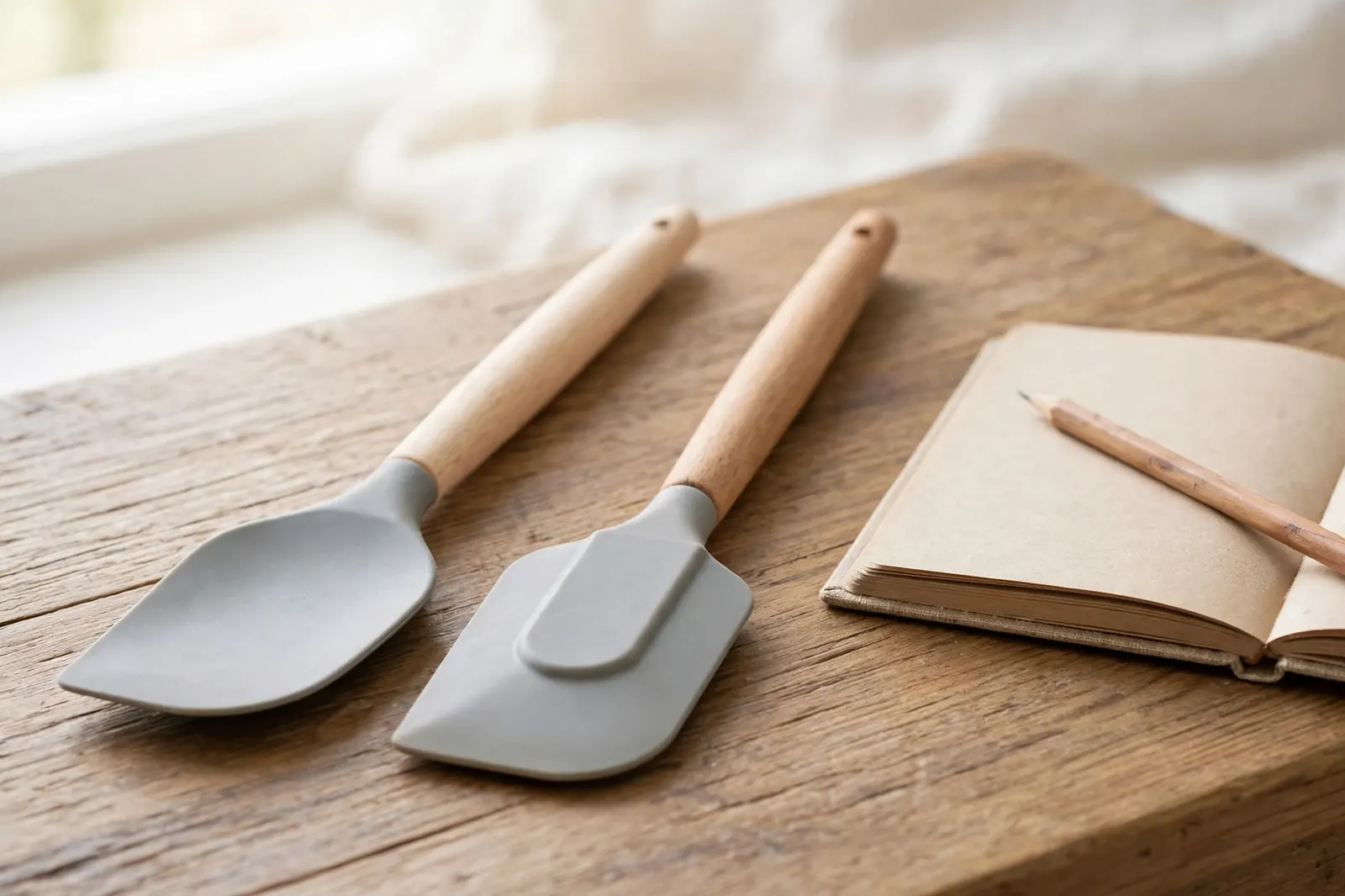
Step 1: Compare. Write down what you will use in real life — how often, who will use it, and where you will keep it. Then compare two or three options on the same points: size, ease of use, and care and cleaning.
Step 2: Check. Check the details people often skip. Read the size and weight, so you know it will fit your space. Check what comes in the box, so there are no surprises. Check the care instructions — will you enjoy cleaning it, or will it become a chore?
Step 3: Decide. Decide with your list, not with your excitement. Does it fit your need, space, and daily routine? If you still feel unsure, wait a day. For more smart shopping habits, see Consumer Buying Guide: How to Shop Smart.
For example, Sara compared three school bags for her son on size, comfort, and pockets, then checked weight, straps, and cleaning. She picked the middle one — not the flashiest, but the one he could carry every day. That is good buying: simple, calm, and based on real life.
Guide vs. review vs. comparison — when each one helps
These three words sound similar, but they do different jobs. Knowing the difference saves you time.
A buying guide teaches you how to choose. It explains the topic and what to look for. Read it first, when you are still learning.
A review looks closely at one product — how it feels to use, what is good about it, and what could be better. Read it later, when you have narrowed your choice to one or two options.
A comparison puts two or more products side by side on the same points. Read it when you are choosing between a few close options.
Comparison table: guide vs. review vs. comparison
| Type | What it does | Best time to read it | Main question it answers |
|---|---|---|---|
| Buying guide | Teaches you how to choose | At the start, when you are still learning | What should I look for? |
| Review | Looks closely at one product | Later, when you like one option | Is this one good for me? |
| Comparison | Puts options side by side | When choosing between a few options | Which one fits me better? |
A common mistake is to read only reviews. If you read one before you understand the basics, you may not know whether the reviewer’s needs match yours. Start with a guide, then use reviews and comparisons to check your shortlist.
Checklists and templates before you buy
A checklist is a small list of questions you answer before you buy. It sounds simple, and that is why it works. When you are excited, your brain skips details. A checklist keeps you on track.
Use these questions for almost any everyday buy:
- What problem will this solve for me?
- How often will I really use it?
- Will it fit my space, and is it easy to store?
- Is it easy to use and easy to clean?
- What comes with it, and what will I still need?
- What should I check before I pay — size, care, and return or exchange terms?
You can copy these questions onto paper, or use a ready-made form. If you like printable help, take a look at Buyers Guide Forms & PDF Templates — it offers simple forms you can fill in before you shop.
Templates also let you compare fairly, since you fill in the same form for each option. Keep your checklist after you buy: it shows what to look for next time, or which question you skipped.
How to spot a useful guide vs. a sales page
Not every page that calls itself a guide is truly a guide. Some are sales pages in disguise. They look helpful, but their real job is to push you toward one product as fast as possible.
A useful guide explains the topic first, mentions more than one option, talks about drawbacks as well as benefits, and does not rush you.
A sales page often starts with strong praise and urgent words, says one product is perfect for everyone, hides drawbacks, and pushes you to buy now. If it makes you feel rushed, slow down and look for a second source.
Good test: after reading, can you explain the choice to a friend in your own words? If yes, the guide taught you something real. Real guides leave you calmer and clearer.
Who buying guides suit — and who they may not suit
Structured review: are buying guides right for you?
Who buying guides suit: first-time buyers; careful shoppers who want to compare before spending; people buying something they will use often; and anyone confused by similar-looking options.
Who buying guides may not suit as the only help: people who already know exactly what they want; shoppers buying a very simple item they know well; and anyone who needs to check size, comfort, or fit in person.
Pros: you learn what matters before you spend, compare fairly, avoid common mistakes, and feel more confident.
Cons and limits: a guide cannot know your home or taste as well as you do; it can go out of date, so recheck details; and reading too many guides can confuse — pick one or two, then decide.
In short, a buying guide is a strong starting point, not a final order. Use it to learn and compare, then trust your own judgment for the last step.
Experience, expertise, and trust: how to use this guide well (EEAT)
This guide comes from everyday shopping experience: careful, step-by-step thinking that helps shoppers avoid rushed buys and pick items that fit daily life. Its advice is general — compare on the same points, check practical details, decide with a list — not claims about any product, brand, or seller. It does not pretend to have tested products, and it does not promise one choice suits everyone. Before you buy, still check size, care, what is included, and return terms. A guide prepares you well, but the final check is yours — because you are the expert on your own life.
Frequently asked questions
What is a buying guide in simple words?
A simple explanation that helps you choose before you buy — what to look for, what kinds exist, and what mistakes to avoid.
Do I need a buying guide for every purchase?
No. Guides are most useful when you are buying something new, something you will use often, or something where the options look very similar.
What is the difference between a buying guide and a review?
A guide teaches you how to choose across many options. A review looks closely at one single product.
How do I know if a buying guide is trustworthy?
It explains the topic first, mentions more than one option, talks about drawbacks as well as benefits, and does not rush you.
Should I still check details myself after reading a guide?
Yes, always. Check size, care, what is included, and return terms for your own situation.
A final word: buy calm, buy once, buy right
Learn the basics, compare on the same points, check the details people skip, then decide with your list. Remember: compare, check, then decide. That is what buying guides are for — helping you buy with confidence.