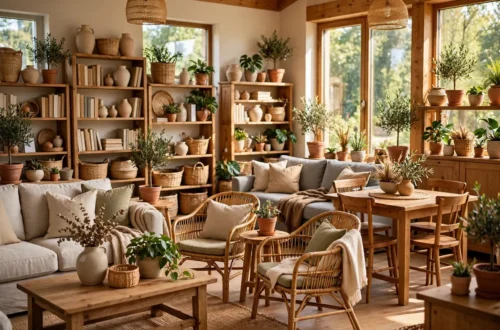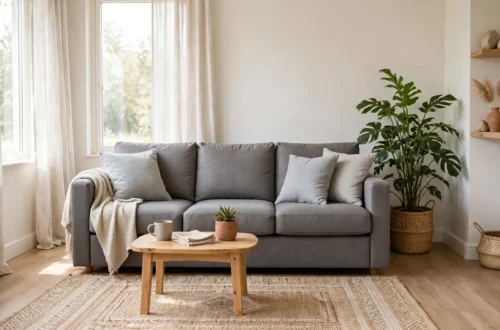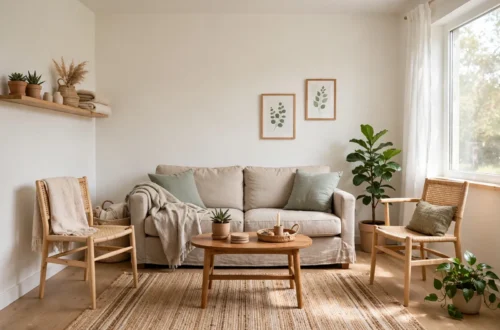








Furniture on a budget means furnishing your home in a way you can afford, without buying pieces that fall apart in a few months. It is not about filling every room at once, or picking the cheapest thing you see. It is about choosing steady, useful pieces, one at a time, and checking them before you pay.
A home does not need to be finished in one weekend to feel comfortable. A bed, a chair, and a table will carry you a long way. This guide will help you tell good value from junk and plan each room without pressure.
What “Cheap Quality Furniture” Really Means
“Cheap quality furniture” sounds like a contradiction, but shoppers usually mean something simple by it: good and inexpensive. They want a piece that does its job well, feels steady, and lasts through everyday use, even if it is plain in style.
Cheap, on its own, only tells you about cost. If the legs wobble, the seat sinks, or a drawer sticks, you may end up replacing it sooner than you planned. Quality is about how a piece holds up: it feels solid, its joints do not shift, and its doors close properly. None of that needs a fancy brand name. So ask a better question: not “Is this the cheapest one?” but “Is this good enough for daily life?”
Where to Buy Furniture on a Budget
There is no single best shop for everyone. The right place depends on what you need, how soon you need it, and how much checking you are happy to do. Local shops let you sit, open, and test a piece before you buy. Second-hand stores can hold strong pieces that someone else no longer needs. Online listings give you a wide search from home. Outlet stores sell new pieces, sometimes from past ranges or display stock.
Look in more than one kind of place, and compare what you find. A chair that looks plain in a photo may feel solid in person, while a sofa that looks perfect online may be too wide for your front door.
If you want a closer look at the kinds of places worth checking, and what to watch out for in each one, read Where to Buy Cheap Furniture.
Start With the Living Room
For most homes, the living room is the best place to start. It is where you sit, rest, talk, and spend your evenings. A comfortable seat and a small table make the room usable right away, even if the walls are still bare.
Begin with seating, and sit down properly, the way you would at home. Does the seat feel even, or dip on one side? A good seat should feel steady each time, not creaky or loose. Then think about how you live in the room. If you read in the evening, a lamp and a small table matter more than a large cabinet. Build the room around your habits, not a catalogue picture.
For room-by-room ideas, seating choices, and simple living room layouts, see Living Room Furniture on a Budget.
Sofas and Sectionals: The Big Decision
A sofa is often the largest piece in the living room, and the one you will use most, so it is worth slowing down for. A sectional, with its longer shape and corner seat, can suit a bigger room or a family that likes to sit together. A smaller sofa suits a smaller room, or a home where walking space matters.
Before you fall in love with a style, measure. Measure the wall where the sofa will go, the doorways it must pass through, and the turns on the way in. Leave room to walk around it and to open nearby doors. A sofa that fits well feels generous. One that is too large makes the whole room feel tight, even if it is comfortable on its own.
Test the seat as you would at home. Sit in the middle, then at each end, and press the cushions: do they spring back? Look under loose cushions for torn fabric or broken supports.
For help choosing between sofa shapes, sizes, and layouts, read Cheap Sofas & Sectionals on a Budget.
Bedroom and Dining Notes, in Brief
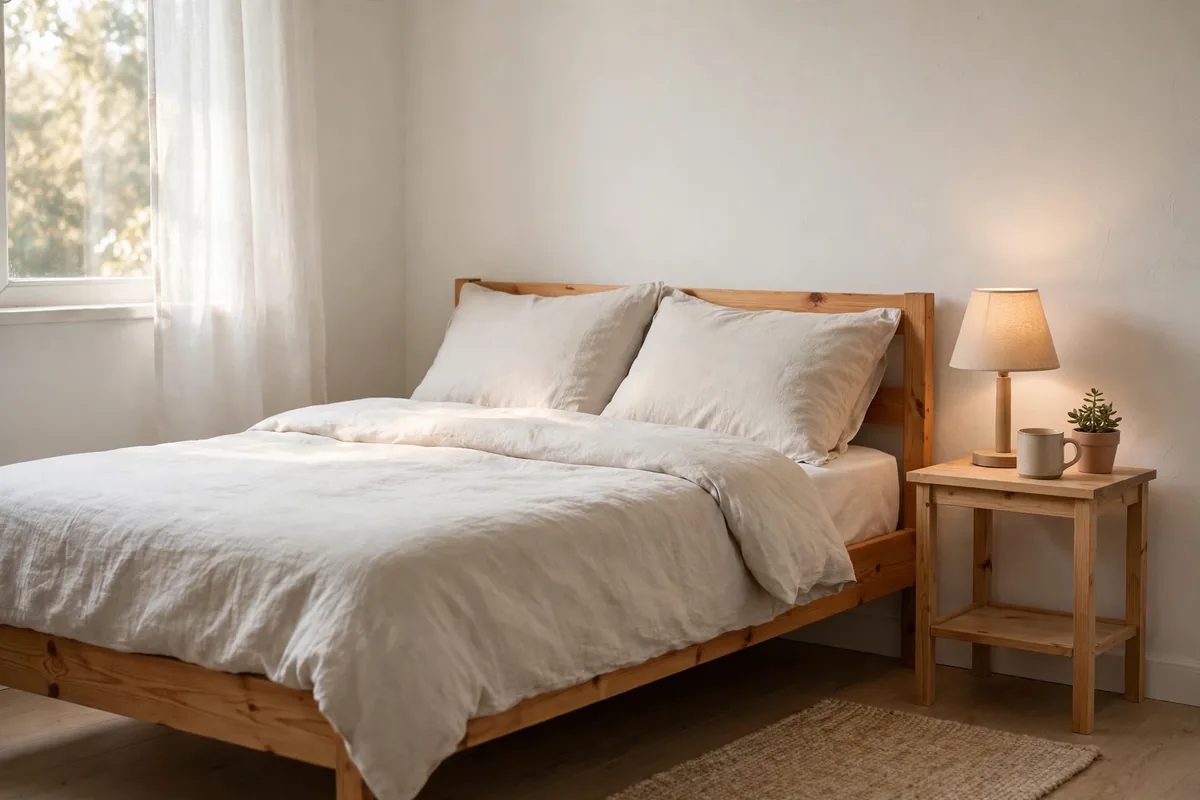
You do not need a full bedroom set to sleep well. A steady bed frame, a mattress that suits you, and a small place for a lamp are enough to start. Add a wardrobe or drawers when you find a good one, rather than buying a matching set in a hurry.
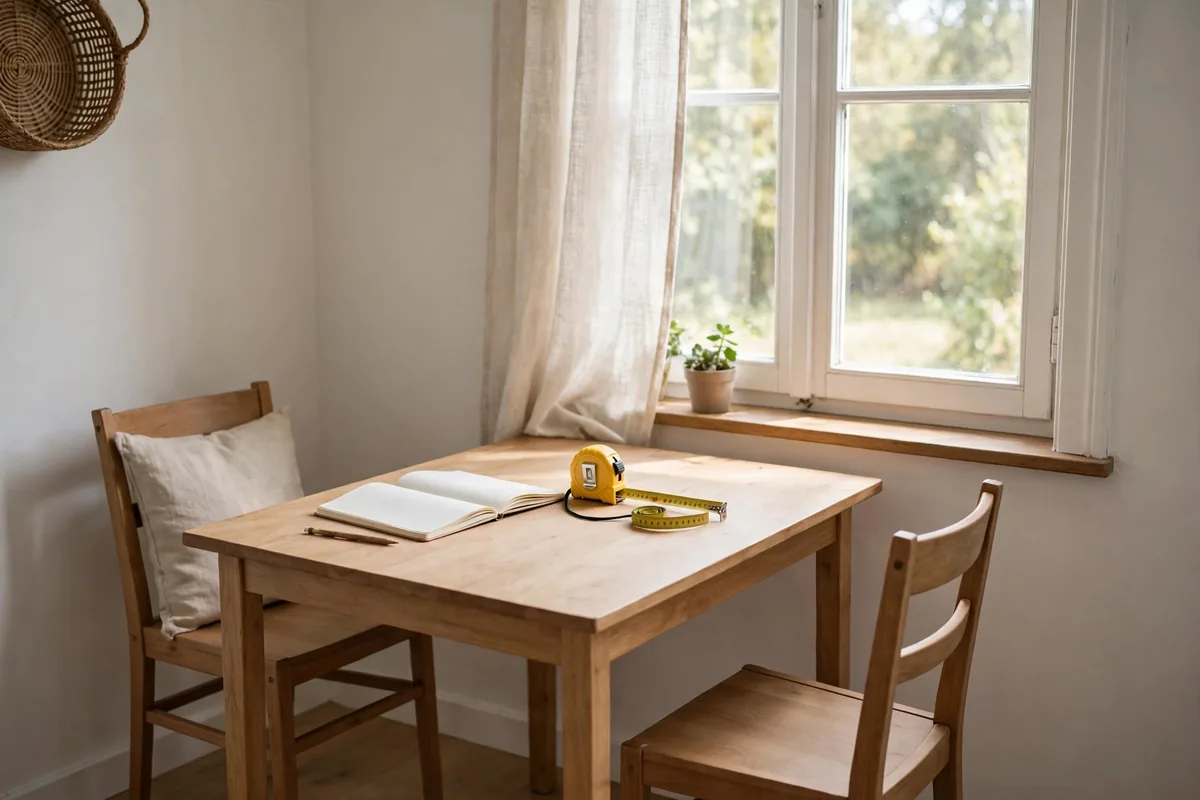
The same idea works in the dining area. A plain, steady table and enough chairs for the people who usually eat together will serve you better than a large set that crowds the room. Sit at the table before you buy, if you can, and check you can pull your chair out without hitting a wall.
Keep both rooms simple at first. You can always add a shelf or a second chair later, when the right one turns up.
A Simple Comparison: Furnishing Choices at a Glance
| Choice | Good for | Watch out for | Always check first |
|---|---|---|---|
| Buy one piece at a time | Steady choices, less waste | Rooms look unfinished for a while | Size, comfort, and daily use |
| Buy a full set at once | A matching look, fast finish | A weak piece hidden in the set | Each piece, not just the set |
| Buy new | Clear return and delivery terms | Paying for style over strength | Frame, joints, and delivery |
| Buy second-hand | Strong pieces at a lower cost | Wear, damage, and hidden faults | Frame, smell, cushions, and joints |
| Mix new and second-hand | Value where it matters most | Different styles side by side | Whether pieces work together in the room |
Use this table as a starting point, not a rule. Your room, your time, and your comfort with second-hand pieces will shape which row suits you best.
How to Get Cheap Furniture Without Buying Junk
Good budget shopping comes down to four habits: check, measure, wait, and buy in stages.
First, check the piece. A solid frame feels steady, not bendy. Press the seat: it should feel even, not lumpy on one side and flat on the other. Sit down and stand up a few times, and feel for wobble or loud creaks. Drawers should slide well, doors should close properly, and legs should sit flat on the floor.
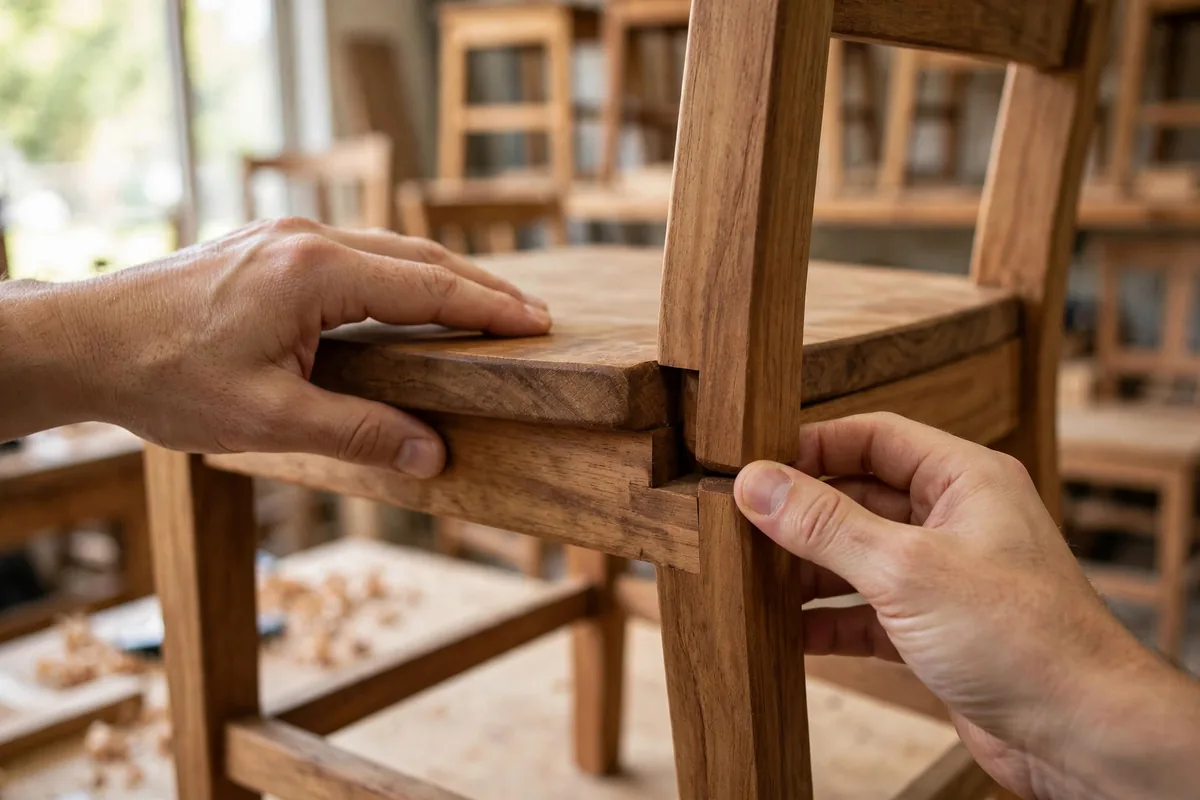
Look at the material too. Wood should feel smooth, without sharp splinters, and fabric should not be torn at the seams. Light marks may be fine second-hand, but deep cracks or broken supports are signs to walk away.
Second, measure first, then buy. Measure your room, your doorways, and any tight turns on the way in, and take the numbers with you. Ask the seller for the furniture size, compare the numbers before you pay, and leave room to walk around the piece.
Third, buy in stages. Start with the piece you need most, and live with it for a while. You will learn what you actually miss, and your next purchase will be smarter. Buying in stages also spreads the cost, so you are less tempted to rush into a weak piece just to finish a room. Fourth, read the terms before you pay: delivery, who carries the piece inside, and returns. A seller who answers clearly about size and condition is giving you useful information. One who cannot answer basic questions is giving you information too.
A Fair Look: Furnishing on a Budget
What works well. Furnishing on a budget has real strengths. You learn what good quality feels like, and you end up with pieces chosen for your life, not just for a showroom look. A plain, sturdy chair you use every day is worth more than a stylish piece you avoid sitting on.
What to watch out for. There are downsides too. Searching takes time, second-hand stock changes fast, and a room can look unfinished for a while. Delivery can be tricky for large pieces, and a bargain that needs repair can cost more than it first seemed.
Who it suits. It suits you if you have a little patience, enjoy browsing, and are happy to check a piece carefully before you buy. Who it may not suit. If you need a full home furnished by tomorrow, a single shop with delivery may be simpler, even if the choices are fewer. The right approach fits your time, your transport, and your peace of mind.
A Note on How This Advice Was Put Together
This guide is based on everyday furniture shopping practice: how shops and sellers work, what buyers commonly check before paying, and where problems most often appear, such as size, delivery, and hidden damage. It does not name one shop as the cheapest, because stock and terms change. Before you buy, still check the piece yourself, read the return and delivery terms, and confirm the size against your room and doorways. If a claim about condition or size cannot be checked, treat that as a reason to pause.
Questions People Often Ask
What does “cheap quality furniture” mean?
It means furniture that is good and inexpensive: steady and useful, even if plain in style. Cheap alone only tells you about cost. Quality tells you whether the piece will last.
Where should I start if my home is almost empty?
Start with the piece you need most, usually seating or a bed. Make the room usable first, then add pieces in stages as you find good ones.
Is second-hand furniture a good idea?
It can be, if you check it well. Look at the frame, joints, cushions, and smell. A sturdy piece with light marks can last years, while a cracked frame is best left behind.
How do I know if furniture will fit my home?
Measure your room, doorways, and any tight turns on the way in. Ask for the furniture size, compare the numbers, and leave walking space around it. Do this before you pay, not on delivery day.
How can I avoid buying junk on a budget?
Slow down. Test the seat, check the joints, measure the size, and read the delivery and return terms. If a piece fails a basic check, walk away, even if it looks like a bargain.
A Simple Plan for Furnishing on a Budget
Start with the piece you need most, and note its size limit from your room and doorways. Then pick two kinds of places to check — a local shop and a second-hand store, for example. When you find a piece you like, test it, measure it, and ask about delivery and returns. Buy it, live with it, and let your next purchase follow what you actually miss. One steady choice at a time will fill your home with pieces that fit, last, and feel like yours. Measure twice, buy once.