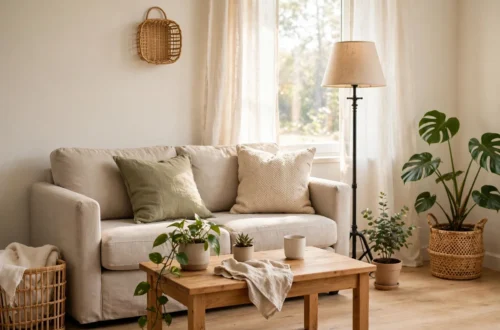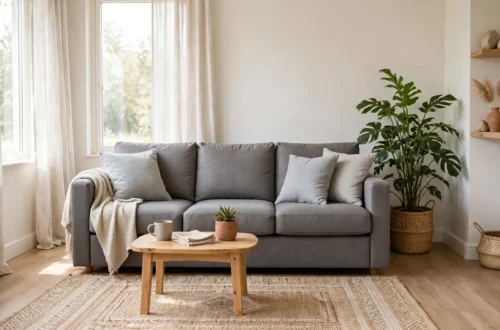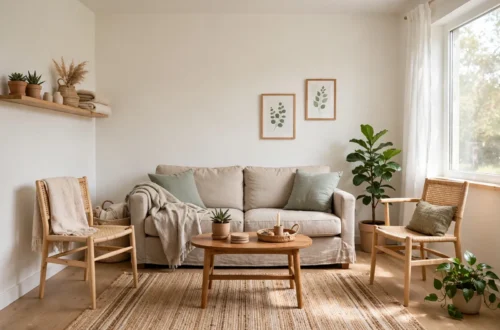









If you are wondering where to find cheap furniture, here is the short answer: look in more than one kind of place. Local shops, second-hand stores, online marketplaces, outlet stores, and community sales can all be good places to shop. The best place depends on what you need, how soon you need it, and how much checking you will do.
A little patience helps a lot. A chair can look fine in a photo and feel wobbly in real life, and a sofa can look perfect in a shop yet be too wide for your front door. Imagine you just moved into a new flat with an almost empty living room. Start with the piece you need most.
Local Furniture Shops
Local shops are a good first stop if you like to sit on a sofa or open a drawer before you buy. You can feel the material, test how steady a table is, and see the true colour in daylight. Sit down, open doors and drawers, and ask about delivery and damaged items. For a larger piece, also ask whether it fits through your door and up your stairs.
To find shops close to you, try a simple search for cheap furniture stores near me, then check the map results and opening times before you go. A quick call can save a wasted trip: ask if they have the kind of piece you need, and whether they deliver to your area.
Second-Hand and Thrift Stores
Second-hand stores and thrift shops are where many people find solid furniture at a lower cost. Stock changes often, so check back more than once if you have time.
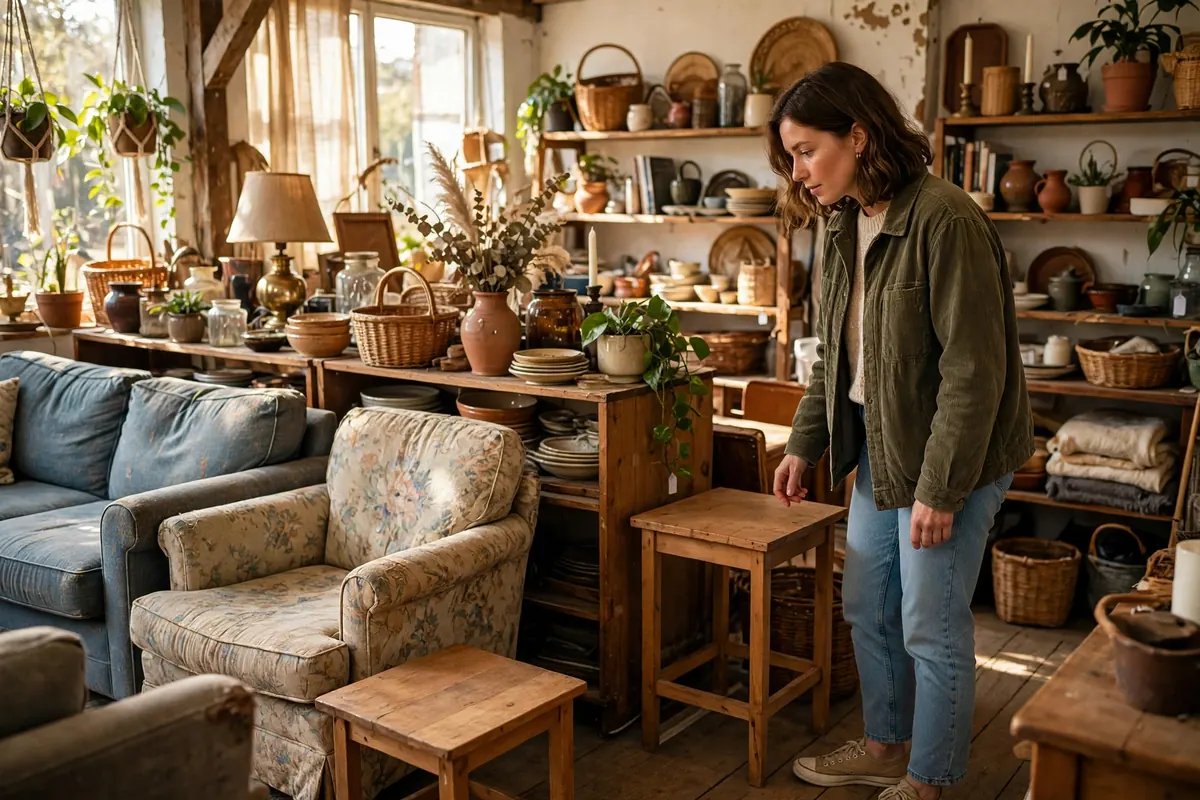
Look closely here. Second-hand does not mean poor quality, and some older pieces are made from strong wood. But some are worn out. Check the joints, give the piece a gentle shake, and look under cushions and inside drawers. A strong damp or smoke smell can be hard to remove. A loose screw may be a small fix, but a cracked frame or a sinking seat is a reason to walk away.
Online Marketplaces
Online marketplaces let you search from home, compare listings, and message sellers. This helps when you want something specific, like a small desk for a corner. Read the full listing, and look at every photo, not just the first one. Ask for more photos if you only see one angle, and ask about size, condition, and damage.
Meet in a safe, public place if you can, or bring someone with you. Check the item before you pay, and say no if it looks very different from the photos. Also ask about delivery, since some sellers offer it and some do not.
Online furniture shops are a little different from marketplaces. A shop sells its own new furniture and usually states its delivery and return rules on its site, while a marketplace listing comes from a separate seller, so the rules can vary. For either one, read the delivery and return details before you pay, and check whether delivery is included or charged on top.
Outlet, Warehouse, and Community Sales
Outlet and warehouse stores sell new furniture, often including pieces from past ranges, display pieces, or items with small marks. They suit shoppers who want new furniture but are happy to be flexible on style or colour. Check the piece carefully, and ask about returns and delivery, because outlet rules can differ from regular shops.
Discount and bargain stores fit here too. They often sell clearance pieces, end-of-line stock, or simple styles at a lower cost. The choice can be smaller, and a piece may be the last one left, so check it well and ask about returns before you buy.
Community sales are similar, closer to home. Yard sales and local buy-and-sell groups sell furniture when people move house or clear a room. Choice on any one day is limited, so go with an open mind, and ask why they are selling and about any damage.
A Simple Comparison: Where to Look First
| Place type | Good for | Watch out for | Always check before buying |
|---|---|---|---|
| Local furniture shops | Testing new furniture in person | A smaller range than online | Size, comfort, delivery, returns |
| Second-hand and thrift stores | Solid pre-loved pieces | Wear, damage, hard-to-remove smells | Frame, joints, cushions, smell |
| Online marketplaces | A wide search from home | Photos that hide damage | Extra photos, size, condition, collection |
| Outlet and warehouse stores | New furniture, more style choice | Display marks, different return rules | Marks, comfort, delivery, returns |
| Community sales | Local finds close to home | Limited choice, usually no returns | Condition, size, carrying it home |
Use this table as a starting point. Your room, timing, and comfort with second-hand pieces will shape which row suits you best.
How to Judge Quality Without Being an Expert
You do not need to be an expert to spot a good piece. You need a slow look and a few simple tests.
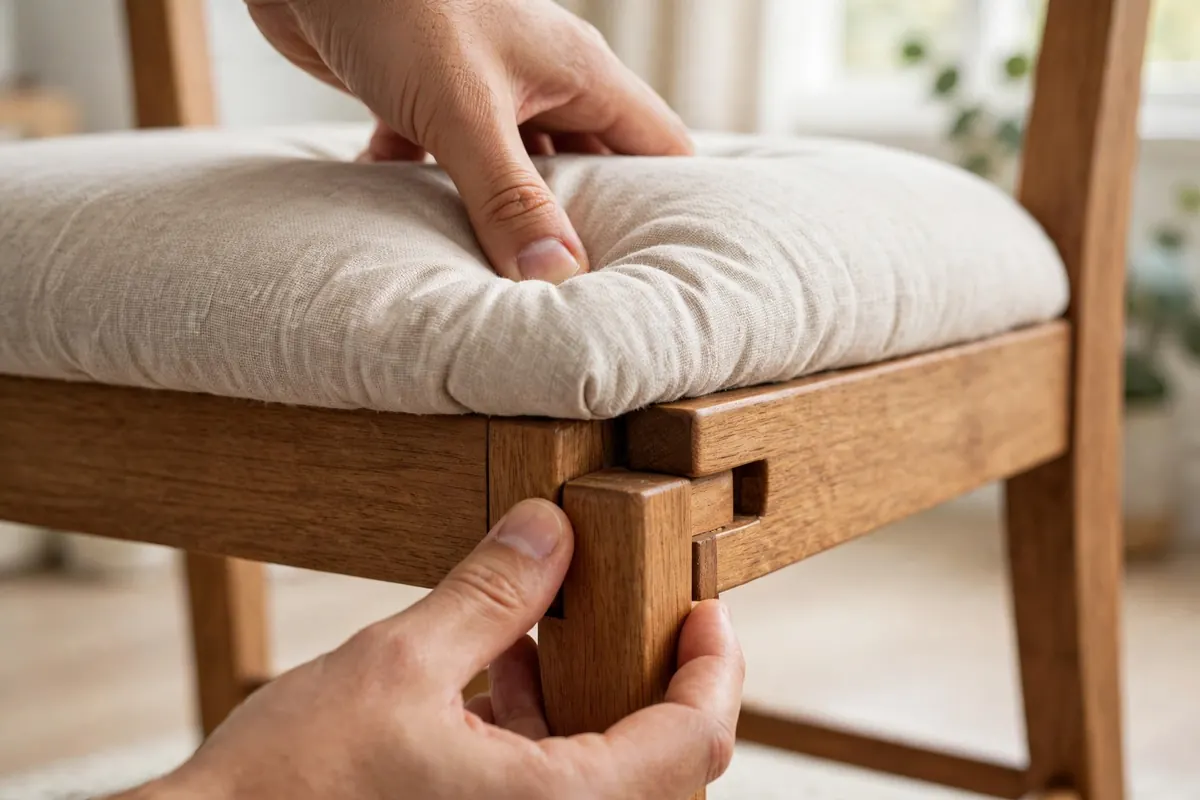
A solid frame feels steady, not bendy. Press the seat. It should feel even, not lumpy on one side and flat on the other. Sit down and stand up a few times, and feel for wobble or loud creaks. Drawers should slide well, doors should close properly, and legs should sit flat on the floor.
Also look at the material. Wood should feel smooth, without sharp splinters, and fabric should not be torn at the seams. Light marks may be fine second-hand, but deep cracks or broken springs are signs to skip it. Think about daily life too: with small children or pets, a darker or washable cover may suit you better. Good furniture fits your life, not just your room.
Measure First, Then Buy
This step saves the most trouble, and takes only a few minutes. Measure your room, doorways, and tight turns on the way in. Write the numbers down, and take them with you.
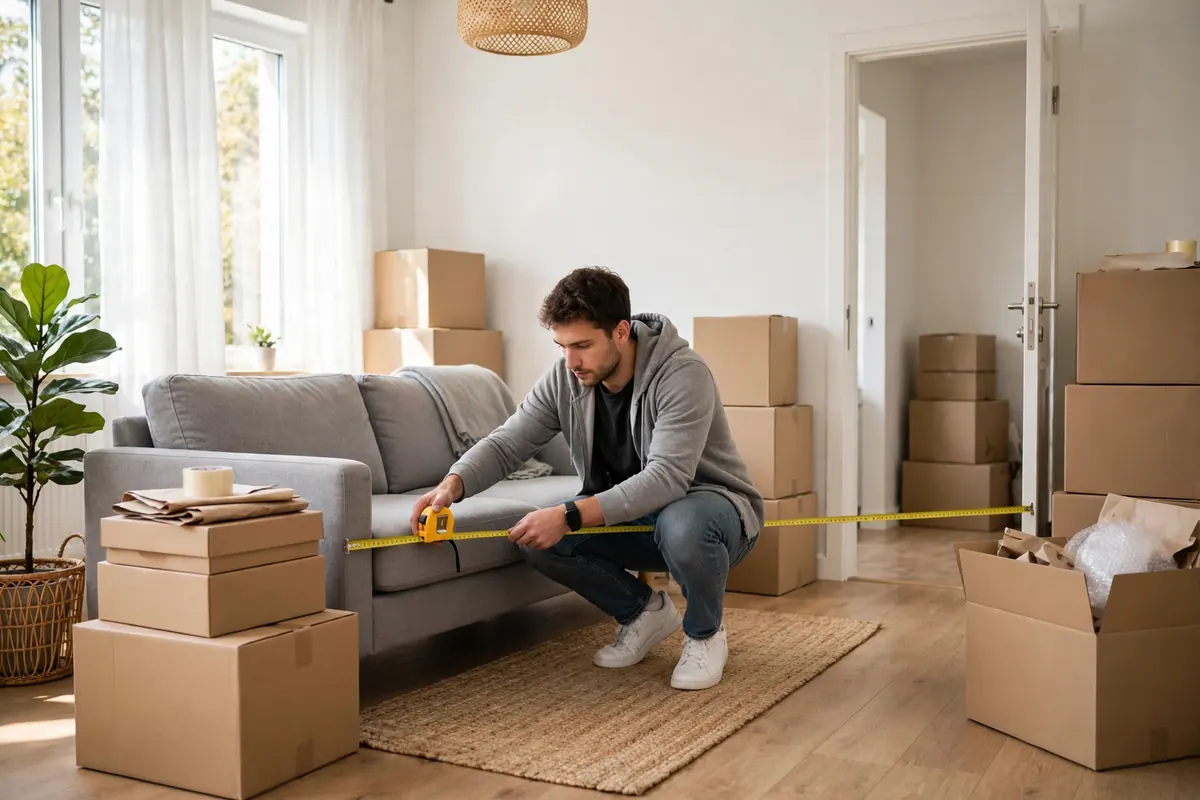
Measure the furniture too, or ask the seller for its exact size. Compare the numbers before you pay, and leave room to walk around the piece and pull out a chair. Also ask who will carry it inside, and whether delivery goes upstairs. If space is tight, a smaller piece that fits well is often better than a large piece that blocks a walkway.
A Fair Look: Shopping Across Different Places
Shopping in more than one kind of place has real strengths. You see more choice, you learn what good quality feels like, and you are less likely to rush into the first piece you see. You can compare a new chair in a shop with a pre-loved chair online, and choose the one that fits your room and daily life.
There are downsides too. Searching takes time, second-hand stock changes fast, and delivery can be tricky for large pieces.
Who does this suit? It suits you if you have a little time, enjoy browsing, and are happy to check a piece carefully. Who may it not suit? If you need a full room by tomorrow, a single shop with delivery may be simpler. The right place fits your time, transport, and peace of mind.
A Note on How This Advice Was Put Together
This guide is based on everyday furniture shopping practice: how shops and sellers work, what buyers commonly check before paying, and where problems most often appear, such as size, delivery, and hidden damage. It does not name one shop as the cheapest, because prices and stock change. Before you buy, still check the piece yourself, read the return and delivery terms, and confirm the size against your room and doorways. If a seller cannot answer a basic question about condition or size, take that as useful information too.
Questions People Often Ask
Where should I start if I need furniture soon?
Start with local and outlet stores, because you can see the piece, test it, and arrange delivery or collection quickly.
Is second-hand furniture a good idea?
It can be, if you check it well. Look at the frame, joints, cushions, and smell. A sturdy piece with light marks can last years, while a cracked frame is best left behind.
What should I ask an online seller before I buy?
Ask for the exact size, more photos from different angles, and an honest note about any damage. Ask how collection or delivery works, and whether you can check the item before you pay.
How do I know if furniture will fit my home?
Measure your room, doorways, and any tight turns on the way in. Ask for the furniture size, compare the numbers, and leave walking space around it. Do this before you pay, not on delivery day.
How do I find cheap furniture stores near me?
Search for cheap furniture stores near me and look at the map results and opening times. Call ahead to check stock and delivery, and visit more than one place if you can, so you can compare quality before you choose.
A Simple Plan for Your Next Furniture Search
Start with the piece you need most, and note its size limit from your room and doorways. Then pick two kinds of places to check first — a local shop and a second-hand store, for example. When you find a piece you like, slow down. Test it, measure it, and ask about delivery and returns. One steady choice at a time will fill your rooms with pieces that fit and last. Measure twice, buy once.