








The short answer first
You really can have a lovely trip in the USA without spending a fortune — it just takes a bit of planning. Pick a place where stay, food, and transport stay simple, and where many fun things are free.
Cheap places to travel in the U.S. are often places you can explore on foot. They have parks, rivers, markets, and free museum days. They also have small local places to eat, not only big tourist restaurants.
Below, you will find low-cost places to visit, grouped by region, so you can start with the part of the country closest to you. Costs change with the season and the city, so check prices at the time you plan. No place here is called the single cheapest overall.
How “cheap” was judged
A place only made this list if it helps your money stretch in four ways: where you sleep, what you eat, how you get around, and what you can do for free.
Stay means simple, clean places to sleep that do not use up your whole budget. Food means local diners, markets, and grocery stores, plus a chance to cook some meals. Transport means you can walk, ride a bus, or take a short train ride to the main sights. Free things to do means parks, trails, beaches, and nice views at no cost. If a place does well on most of these four, it is usually a safe bet for a low-cost trip.
This guide picks places using four simple checks — stay, food, transport, and free things to do — because those are the four costs that shape almost every trip. It does not call any one place the single cheapest overall, and it does not claim first-hand testing of every town on the list. Before you decide, check the season, the exact prices, and what is open on your dates, since costs and opening hours change over time. This check-first method is better than chasing one “cheapest” label, because the best budget pick depends on how you travel, when you go, and what you enjoy doing.
Cheap places to visit in the USA, grouped by region
The Southeast
Savannah, Georgia, is a good place to start. Its old streets, squares, and parks are lovely to walk through, and walking is free. Memphis, Tennessee, is another often cheaper city choice, known for music and a riverfront you can enjoy on foot. Smaller towns in the Southeast can also be good budget choices. Check what is free nearby, such as a lake, a trail, or a town park.
The Midwest
St. Louis, Missouri, can be a good budget choice for families, with large parks, a riverfront, and several free or low-cost sights. Kansas City, on the Missouri and Kansas border, is also often cheaper than many big cities, with parks, fountains, and barbecue. Chicago, Illinois, may sound pricey, but its lakefront, parks, and free events can fill a day at little cost.

The Northeast
Philadelphia, Pennsylvania, is one of the more budget-friendly big cities in the Northeast. Much of its history can be seen on foot, through parks, markets, and historic streets. Pittsburgh, Pennsylvania, is another good budget choice, with rivers, bridges, and parks with wide views. In the Northeast, timing matters a lot: a busy season can cost more, even in a place that is often cheaper.
The Southwest and West
Albuquerque, New Mexico, is often cheaper than many famous Western cities, with desert views, mountains, markets, and a walkable old town area. Tucson, Arizona, can also be a good budget choice, especially for nature lovers, with desert parks and trails close by. Smaller Western towns near parks and trails are often cheaper than resort towns, but check the season first.
The South and Gulf Coast
Parts of the Gulf Coast can be good for a cheap beach trip, if you pick the right town and time. Look for public beaches, free beach walks, and simple places to eat near the shore. Smaller beach towns outside peak season still give you the sea, the sand, and long walks, but with fewer crowds.
Cheapest cities vs. cheapest small towns: different kinds of trip
Cities and small towns both can be cheap, but they give you a different trip.
Cheap cities are best if you do not have a car. You can walk, take a bus, or ride a train. You will find more food choices, more free museums, and more things to do on a rainy day, and you can see a lot in two or three days.
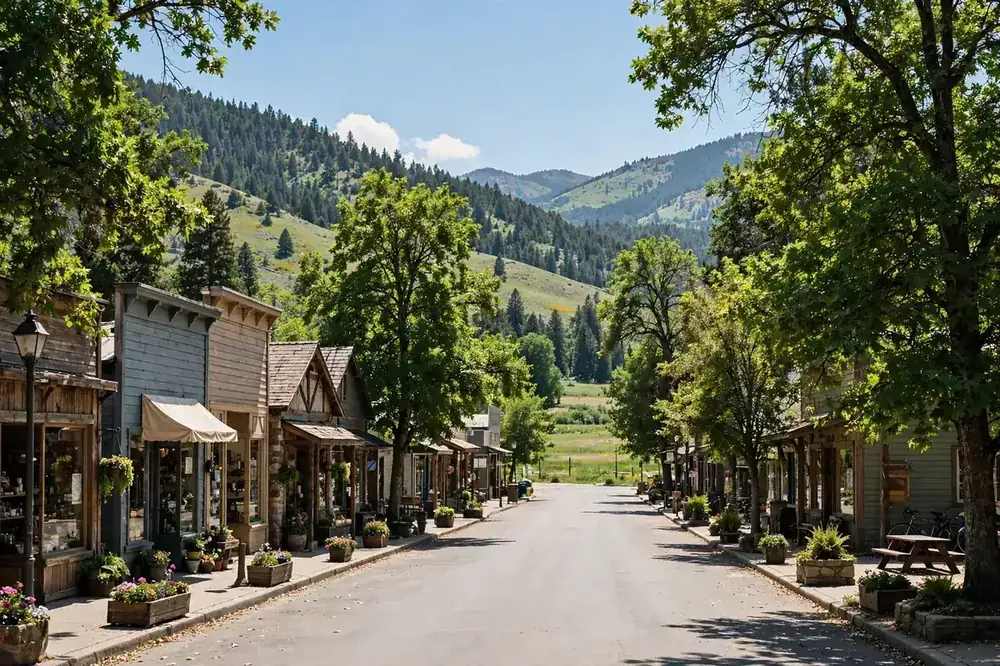
Cheap small towns are best if you want quiet, nature, and a slower pace. You can hike, picnic, and enjoy small main streets. Many small towns are best with a car, though, so add fuel and parking to your plan, and check what is open outside peak season. So here is the simple rule. Pick a city if you want things easy, with lots to choose from. Pick a small town if you want nature, quiet, and time to slow down.
City trip or small-town trip at a glance
| What to compare | City trip | Small-town / nature trip |
|---|---|---|
| Stay | More choices close to the sights, often simple and easy to reach on foot | Often quieter stays, but check how far they are from shops and sights |
| Food | More food choices, from markets and bakeries to small local places to eat | Fewer places to eat, so check opening days and hours before you go |
| Getting around | Walk, bus, or train often cover the main sights, and a car is often not needed | A car is often more useful, so plan for fuel and parking |
| What is free | Parks, riverfront walks, markets, and free museum days can fill much of the day | Trails, lakes, beaches, and wide views cost nothing to enjoy, when open |
| Best for | A short trip with lots of variety, including on a rainy day | A slower trip with quiet, nature, and long walks |
An honest review: which budget trip style suits you?
This is not a review of one place. It is a plain check of the two trip styles this guide describes, so you can pick the one that fits you.
How it was judged: the same four points used for the whole guide — stay, food, transport, and free things to do. A trip style scores well when it stays simple on most of those four, not just on one.
What is good
- A city trip gives you the easiest days without a car. You can walk to parks, markets, and sights, and a rainy day still leaves you plenty to do.
- A small-town or nature trip gives you quiet and space. Trails, lakes, and long walks are free, and the pace is slower.
- Both styles work on a budget when you plan around free things first and add only one or two paid sights you truly want.
What to watch out for
- Cities can still cost more in a busy season or on a big holiday weekend, even when they are often cheaper. Check your exact dates.
- Small towns can look cheap until you add a car. Fuel and parking count, and some shops and sights may be closed outside peak season.
- A place that is cheap for one person may not be cheap for a family, or for someone who cannot walk long distances. Compare the full trip, not just the stay.
Who it suits
- A city trip suits you if you travel without a car, like variety, or only have two or three days.
- A small-town or nature trip suits you if you want quiet, love walking outdoors, and have a car or a lift.
Who it may not suit
- A city trip may not suit you if crowds and noise tire you out, or if you want long, quiet days outdoors.
- A small-town trip may not suit you if you do not drive, need many food choices nearby, or want lots of indoor things to do on a rainy day.
No star ratings, no user quotes, and no new products or tools are used here, because none were in the original post.
When to go: timing that actually lowers cost
When you go can matter as much as where you go. Travel in the shoulder season when you can. That means the weeks just before or just after the busiest season. The weather is often still good, but crowds are smaller, and stays and transport are often cheaper.
Avoid big holiday weekends if your dates are flexible, since more visitors often mean higher costs. Weekdays can also be cheaper than weekends in many cities. Watch the weather too: a very hot, cold, or stormy season may be cheaper, but it can limit what you can do.
How to keep a US trip cheap once you are there
Walk when you can. Walking is free, and it helps you find small shops and parks you would miss in a car. If walking is not possible, use buses and trains before taxis and ride services.
Eat one simple meal a day. You do not need a big restaurant meal three times a day. Try a bakery or market for breakfast, a simple lunch, and one nicer meal if you wish. Buying snacks and water from a grocery store also helps.
Mix free and paid sights: plan one paid sight, then fill the rest of the day with parks, trails, and free views. Stay where you can cook a little, if possible. Even a fridge lets you make breakfast and pack a picnic lunch. Set a simple daily limit, and check for free museum days when you arrive.
Keeping costs low on the trip itself is one of the Best Money Saving Strategies.
A short planning checklist
- Pick your trip style first: city or small town, nature or food, fast or slow.
- Pick two or three places in one region, not places far apart.
- Check the season, weather, and busy weekends for your dates.
- Plan how you will move around each day: on foot, by bus, by train, or by car.
- List the free things to do first, then add one or two paid sights you truly want.
- Plan simple food: grocery stops, markets, and local places to eat.
- Pack for walking: good shoes, water, sun protection, and a light bag.
- Check prices again close to your trip, since costs change over time.
For the tech you pack, see Best Cheap Tech Gadgets.
Frequently asked questions
What is the cheapest place in the USA to visit?
There is no single cheapest place for everyone. Costs change with the season, the city area, and how you travel. Places like Savannah, Memphis, St. Louis, Philadelphia, and Albuquerque are often cheaper choices, but the best pick depends on your dates and trip style.
Are US cities or small towns cheaper?
It depends. Cities are often cheaper without a car, because you can walk and use public transport. Small towns are often cheaper for stays and nature, but you may need a car. Compare the full trip, not just the stay.
When is the cheapest time to travel in the USA?
Quieter weeks outside peak season and big holiday weekends are often cheaper. Weekdays can also help in cities. Always check your exact dates, because each place has its own busy season.
Can I enjoy a US trip without a car?
Yes, in many cities. Pick a walkable city with buses or trains, and stay near the sights you want. For small towns and nature areas, a car is often more useful.
A cheap trip in America is not about missing out. It is about picking the right place, going at the right time, and enjoying the simple things: a walk, a park, a local meal, and a good view. Start with one region and build a trip that fits your budget and your pace.