








Learning how to compare prices online is simple once you know one rule: never compare headline prices alone. The cheapest-looking price is not always the cheapest deal.
The real price is the total cost: the item price, plus delivery, plus any other fees, from a seller you can trust, with returns that work for you. Compare that full picture, side by side, for the exact same product, and you can find the best price on an item without rushing into a bad buy.
First, Compare the Same Thing
This is where most people go wrong. Two listings can look the same at a quick glance but be quite different.
Check the size, colour, and model. Does one listing include an extra part, a case, or a charger, while the other is just the item on its own? If the details do not match, you are not comparing prices. You are comparing two different offers.
Open each listing fully and read what is included in the box.
How to Compare Prices, Step by Step
1. Write down exactly what you want: product name, model, size, and colour.
2. Find the same item in a few places. Three or four well-known shops are usually enough.
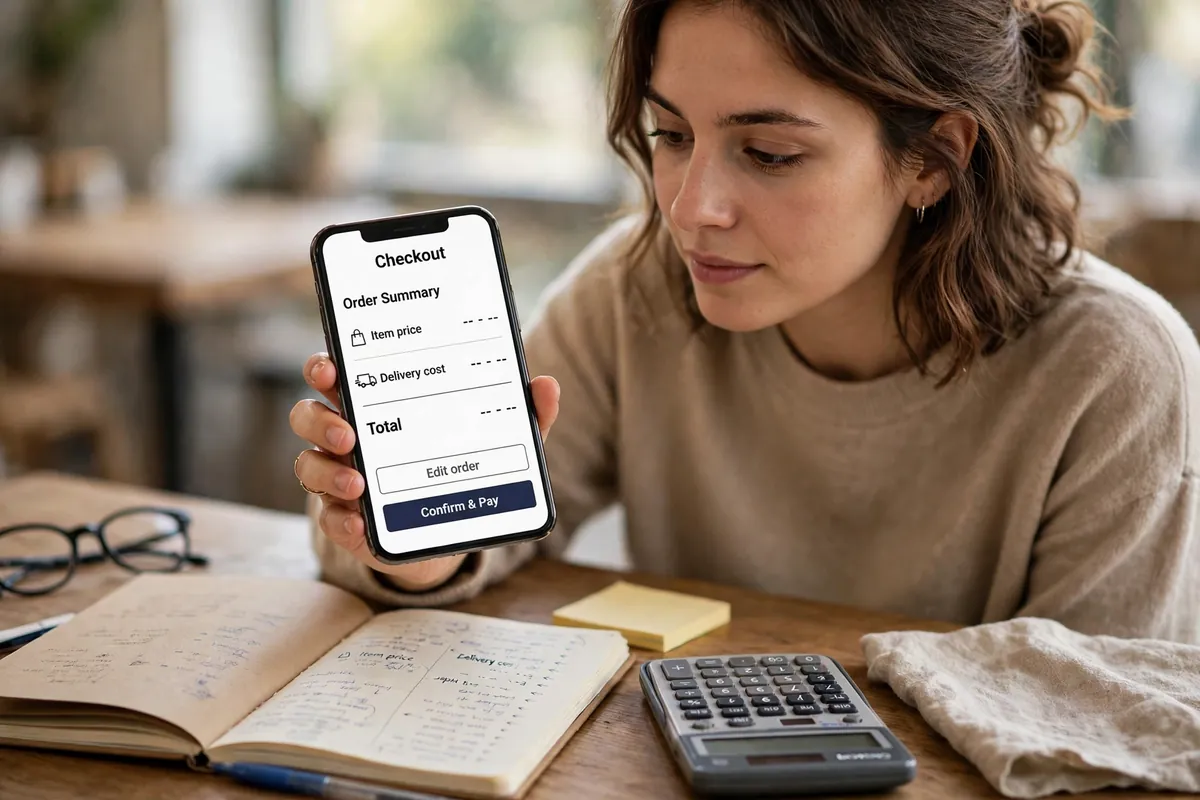
3. Go to checkout, but do not pay yet. Many shops only show the delivery cost near the end, so go far enough to see the full total, then stop.
4. Note the total cost for each place, plus the delivery time and the returns terms. A short note on your phone is fine.
5. Check the seller, then choose the best full deal, not just the lowest first number you saw.
Those few minutes often save you from a surprise fee or a return you cannot make.
The Total Cost: What to Add Up
Delivery is the most common surprise. One shop may show a low item price and then add a delivery fee. Another may show a slightly higher item price but include free delivery. Once you add delivery, the second shop can work out cheaper.
Returns matter too. If an item arrives damaged or just not right for you, can you send it back easily? How long do you have, and do you pay for return postage? A cheap item with a difficult returns process can become an expensive problem.
Also check the delivery date, and watch for extras at checkout, such as a service fee. If the total jumps at the last step, read what changed before you pay.
Headline Price vs. the Best Total Deal
This table uses general examples, not real products or real prices.
| What to check | Cheapest headline price | Best total deal |
|---|---|---|
| Item price | Lowest at first glance | May look a little higher |
| Delivery cost | Often added at checkout | Included, or clearly shown |
| Total you pay | Can end up higher | Clear from the start |
| Delivery time | Often slower or unclear | Suits the date you need |
| Returns | May be hard, short, or paid | Clear, fair, easy to follow |
| Seller | Unknown or hard to check | Known, honest buyer feedback |
A good deal works well all the way down, not just in the first row.
Check the Seller Before You Trust the Price
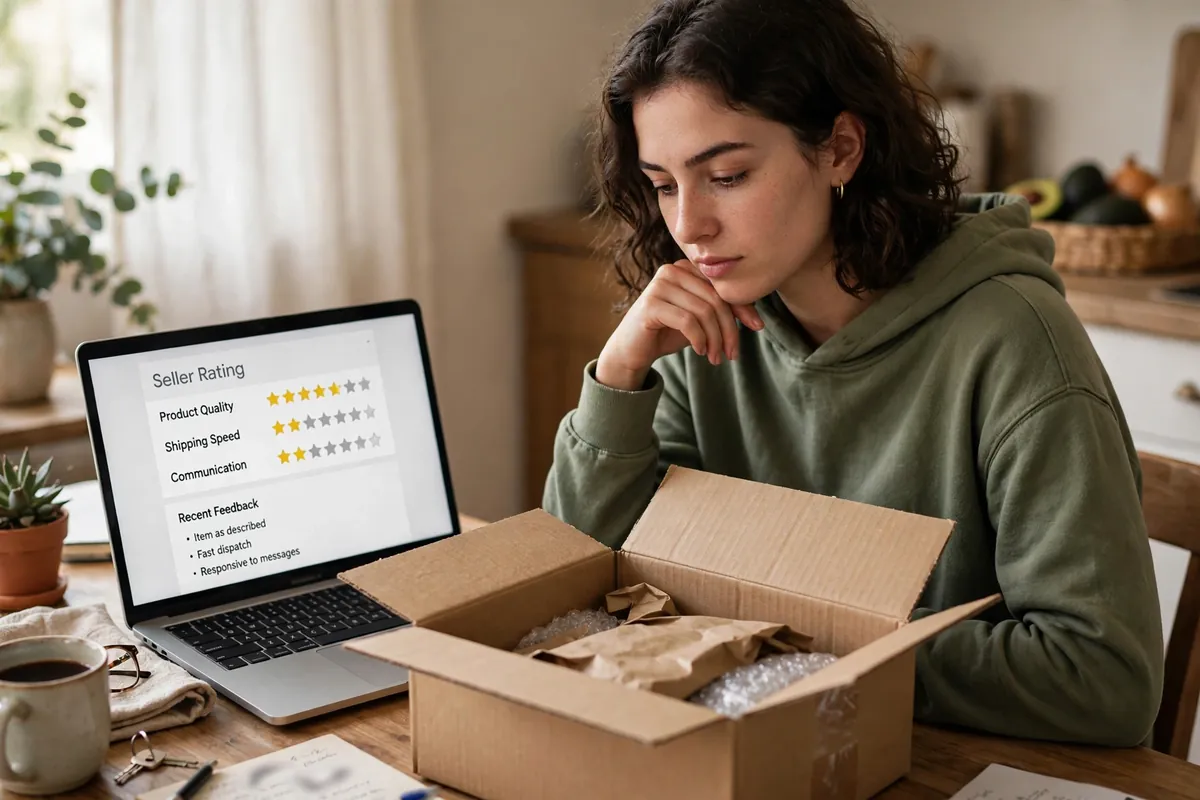
A very low price from a seller you cannot check is a warning sign, not a bargain. Who is selling the item: the shop itself, or another seller using that shop’s website? What do recent buyers say about delivery and how problems were handled? One or two unhappy buyers do not prove much, but a pattern of the same complaint should make you pause.
Also check the returns details on that seller’s page. If you cannot find clear returns information, choose another seller, even if the price is a little higher.
A Fair Look: Is Comparing Prices Online Worth the Extra Minutes?
Comparing prices online works well, but it is not perfect.
What works well: it catches hidden delivery costs before you pay, stops you buying the wrong size or model in a rush, and gives you a clear reason for your choice.
What to watch out for: it can eat up time if you check too many shops for a small item, and prices can change while you compare.
Who it suits best: you, if you are buying something that costs a fair amount, something you will use for a long time, or something where size, model, or returns really matter.
Who it may not suit: you, if it is a tiny, urgent, everyday item from a shop you already trust, where the saving would be very small. Buying from your usual trusted shop is then a sensible choice, not a lazy one.
Compare enough to avoid a costly surprise, then decide.
How to Spot a Fake Sale
A big red “sale” label does not always mean a real saving. Sometimes a price is raised first, then lowered back to its normal level, and called a sale.
Ask three questions. Is the “was” price believable? Is the same item cheaper elsewhere right now, without any sale label? And does the sale push you to hurry, with phrases like “only a few left”? A real deal will still be a good deal after you take five minutes to check it properly.
You can also check the price of an item over time in a general way: note today’s total cost, then check again in a few days. If you want to track online prices or track price history for something you do not need right away, a simple dated note shows whether a “sale” price is truly lower than before.

When to Buy Now, and When to Wait
If you need the item soon, and the total cost is fair, and the seller and returns look good, buying now is fine. Waiting for a drop that may never come is not always smart.
Waiting makes more sense when you do not need the item urgently. Give yourself a simple rule: “I will buy if the total cost reaches this level, or by this date.”
Why You Can Trust This Advice — and What to Check Yourself
This guide is based on everyday online shopping practice: comparing the same item, adding up the full total cost, checking the seller and returns, and slowing down before a sale label. It does not rely on any single shop or product, and it makes no promise that one shop will always be cheapest, because prices, delivery fees, and returns rules change often.
So still check the details yourself before you pay: delivery cost, delivery date, and returns terms on the exact listing, and that the size, model, and seller match what you want.
Frequently Asked Questions
How many shops should I compare?
Three or four is usually enough for a fair picture.
Should I always buy the cheapest option?
No. Buy the best total deal: a fair total cost, a delivery time that works for you, a seller you can trust, and returns you can actually use.
Why does the price change at checkout?
Usually because delivery, a service fee, or a chosen delivery speed is added at the last step. That is why you should see the full total before you decide.
Is a sale price always a good deal?
Not always. Compare the sale total with the same item elsewhere, and with what you have seen it cost before.
How do I compare prices for something I buy often?
Keep a note of the total cost you usually pay, including delivery, and compare new offers against it.