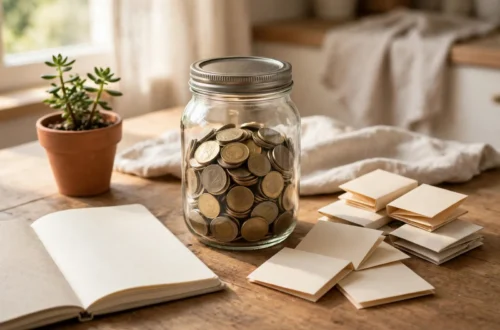








Saving money does not have to mean a big change all at once. Small tricks can work well because they fit into normal life. A small habit, repeated often, can quietly add up over time.
This post shares simple money saving tricks and ideas for daily life. You do not need a strict plan or a new app to start. Pick one trick, try it for a few weeks, and keep it only if it makes your life easier.
Start With One Small Habit
Many people try to change everything at once and then give up. Instead, start with one small habit, such as setting a little money aside on payday before you spend on other things. The habit matters more than the size.
Saving works like brushing your teeth: a little bit every day, not one big effort once in a while. A small, steady habit is easier to keep than a big promise you cannot hold, so choose one that feels easy. The best trick is the one you will actually do.
Make Your Own at Home More Often
One simple idea is to make things at home more often. Coffee is a good example. Many people buy a drink on the way to work without thinking, while making your own takes a few minutes and can become a calm part of your morning.
The same idea works for lunch. Packing lunch from leftovers the night before saves a morning rush. You do not have to do it every day. Even doing it on most workdays can change how your week feels.

The trick is not to give up everything you enjoy. If you love a weekend cafe visit with a friend, keep it. Cut the automatic spending you barely notice, and keep the spending that truly makes you happy.
Wait Before You Buy
Impulse buying is a big reason money slips away. You see something nice, feel excited, and buy it right away, then later wonder why you bought it at all.
Wait before you buy anything that is not urgent. Put the item on a list instead of in your basket, then look at the list again after a few days. Often, you will no longer want the item. If you still want it and it fits your budget, buy it with a clear mind.
This trick works because excitement fades. After a few days, you can think more calmly and ask honest questions. Do I need this? Will I use it often? Do I already own something like it? Waiting gives you time to answer well.

It works for online shopping too. Leave items in your basket and close the page. Come back after a few days, and you may happily remove many of them. Nothing is lost by waiting.
Use a List Every Time You Shop
Shopping without a list is a common way to overspend. You walk in for a few things and walk out with much more. A list keeps you focused.
Before you shop, check your kitchen cupboards and fridge. Write down only what you truly need, then stick to the list in the store. If you see something extra, ask if it belongs on next week’s list instead.
A list also avoids repeat buying. Many homes already have extra bottles or packets hiding at the back of a cupboard, and a quick check stops you from buying a second one by mistake.
Do a Short Weekly Money Check
Once a week, sit down for a few minutes and look at your money. Check what came in, what went out, and what is coming next.

You do not need fancy tools. A notebook works fine. Note your main bills, your shopping, and anything unusual. This helps you spot problems early, such as a forgotten subscription, and helps you feel calmer because you know where you stand.
More Small Tricks Worth Trying
Cook in larger amounts and use leftovers for the next day’s lunch. Turn off lights and fans when you leave a room. Borrow or swap instead of buying, since books, tools, and party items are often used only once or twice. Keep a small “want” list on your phone too, and review it at the end of the month.
Small Tricks at a Glance
| Trick | What you do instead | Why it helps |
|---|---|---|
| Wait before buying | Put the item on a list and decide after a few days | You buy only what you still want |
| Make it at home | Make your own drink or lunch most days | Cuts automatic daily spending |
| Shop with a list | Check your cupboards first, then buy only listed items | Stops repeat and extra buying |
| Weekly money check | Spend a few minutes each week reviewing your money | Spots forgotten costs early |
| Borrow or swap | Ask a friend before buying a rarely used item | Avoids paying for a one-time use |
An Honest Review: Do Small Money Saving Tricks Really Work?
Small tricks work well for many people, but they are not magic. Here is a fair look.
What works well
Small tricks are easy to start. You do not need to learn a new system or change your whole life. Each trick takes only a few minutes, and you can stop any trick that does not suit you.
What to watch out for
Small tricks alone may not fix a large money problem, such as bills that are higher than your income. In that case, you may need a fuller look at your budget or advice from a trusted source. Results also build slowly, so some people give up too soon.
Who these tricks suit
These ideas suit people who want a gentle start, busy families who need simple routines, and anyone who feels overwhelmed by strict budgets.
Who they may not suit
If you already live very carefully and track every cost, these tricks may add little that is new. They may also feel slow for someone who needs a fast, major change.
Overall, small tricks are a kind and practical starting point. They will not solve everything, but they can make daily money choices calmer.
A Note on the Advice in This Post
This post is written from everyday money habits that many households use, such as waiting before buying, shopping with a list, and checking money weekly. These are general ideas, not personal financial advice. Every household is different, so a trick that works for one family may not fit another. Before you change how you handle bills, debts, or savings, check the details yourself and, when the choice is important, talk to a trusted financial adviser or a reliable official source. Try small, low-risk habits first and keep only the ones that truly help your daily life.
Frequently Asked Questions
What are the easiest money saving tricks to start with?
Wait a few days before buying something non-urgent, shop with a list, and make your own drinks or lunch at home most days. These need little time and no new tools.
How long should I wait before buying something?
Waiting a few days is enough for most everyday items. For larger items, waiting longer can help even more, so you can decide calmly.
Do small saving tricks really make a difference?
Yes, because they change daily habits. The effect is gradual rather than instant, so keep a trick for a few weeks before judging it.
What if I try a trick and it does not work for me?
That is normal. Not every trick suits every person. Drop it without guilt and try a different one. The right habit fits your life and feels easy to keep.
Should I stop all fun spending to save money?
No. Cutting out everything enjoyable usually fails. Keep the spending that truly makes you happy and cut the automatic spending you barely notice.
Start Small, and Keep Going
You do not need to be perfect with money. Pick one idea from this post today and try it for a few weeks. If it helps, keep it and add another. Step by step, small choices build a calmer way of handling money.