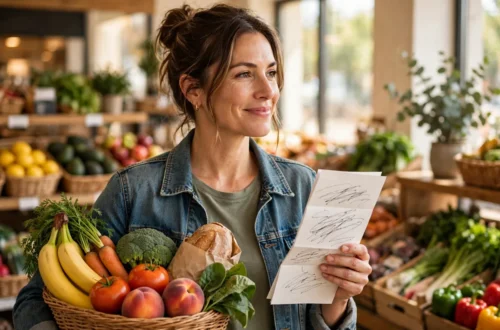






A little planning before you shop can make the whole trip feel easier.
Shopping smarter does not mean buying less food. It means buying the right food, wasting less, and leaving the store without stress.
This guide shows you how, step by step.
This guide is built on simple, everyday shopping habits: check what you already have, plan a few meals, make one list, buy basics first, and keep cold food cold. It does not promise that one method will work exactly the same for every home, and it does not claim special credentials. Before you decide what to buy, check the things that matter for your own home: the price per kilo or per litre if the store shows it, the expiry date, how much you can carry or store, and whether you will really use the item before it goes bad. This method is recommended because it is easy to repeat, it helps you waste less, and it keeps the focus on food you actually need — not because it is the only way to shop well.
Start Before You Go to the Store
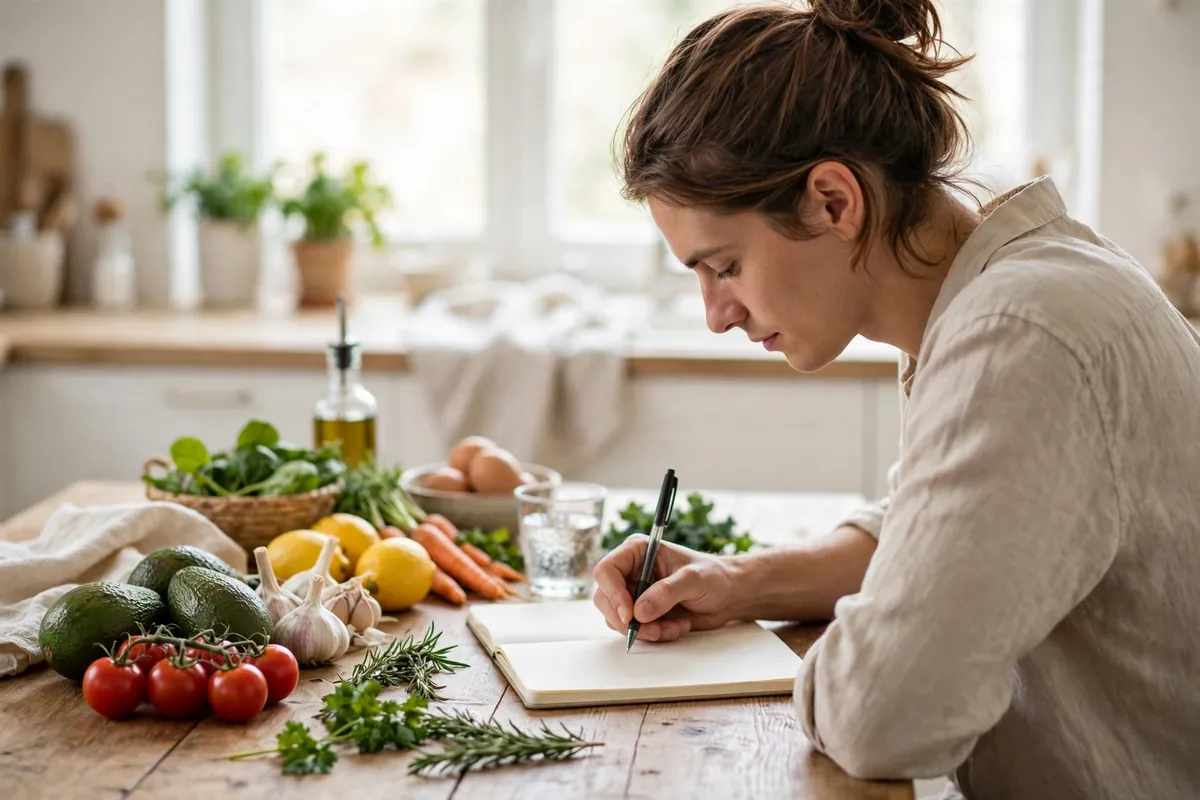
The easiest trip often starts in your own kitchen, before you even leave the house.
1. Check what you already have
Open your fridge. Open your cupboards. Look at what is left.
Write down what you still need. Do not guess. Guessing is how you buy milk twice and forget bread.
2. Plan a few meals
You do not need a plan for the whole month. Plan three or four simple meals for the week.
For each meal, write down the items you need. This is the basics for grocery shopping: plan first, shop second.
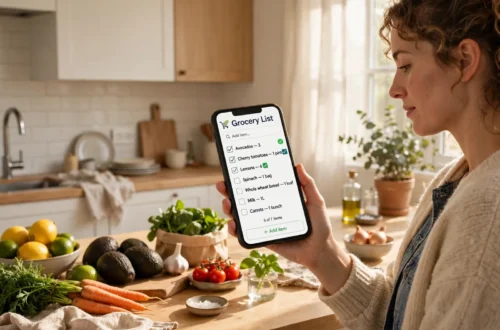
3. Make one list
Put everything on one list. Group it if you can:
- Fruit and vegetables
- Bread and rice
- Milk, eggs, and cheese
- Meat or other protein
- Home items, like soap
One list keeps you on track. It also saves time in the store.
Essentials for Food Shopping
Essentials for food shopping are the items most homes use every week.
A simple starter list looks like this:
- Rice, bread, or pasta
- Eggs and milk
- Fruit and vegetables
- Cooking oil and salt
- A protein, like chicken, beans, or lentils
- Tea, coffee, or drinking water, if you use them
You can change this list for your home. Some homes need more. Some homes need less.
The point is simple: buy the basics first. Then add treats and extras, if your budget allows.
Food is a regular part of the List of Household Bills and Monthly Expenses.
How to Shop in a Grocery Store Without Stress
Here is the best way to do grocery shopping, in simple steps:
1. Eat before you shop, if you can.
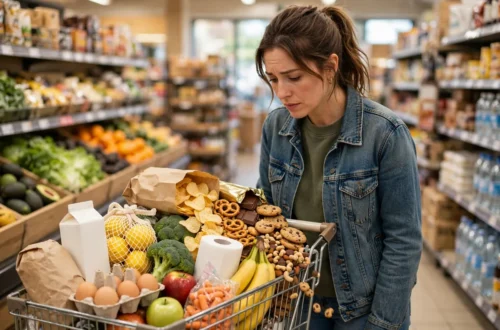
When you are hungry, everything looks good. You buy more than you need.
2. Stick to your list.
Your list is your plan. If an item is not on the list, ask: do I really need it this week?
3. Start with the outer parts of the store.
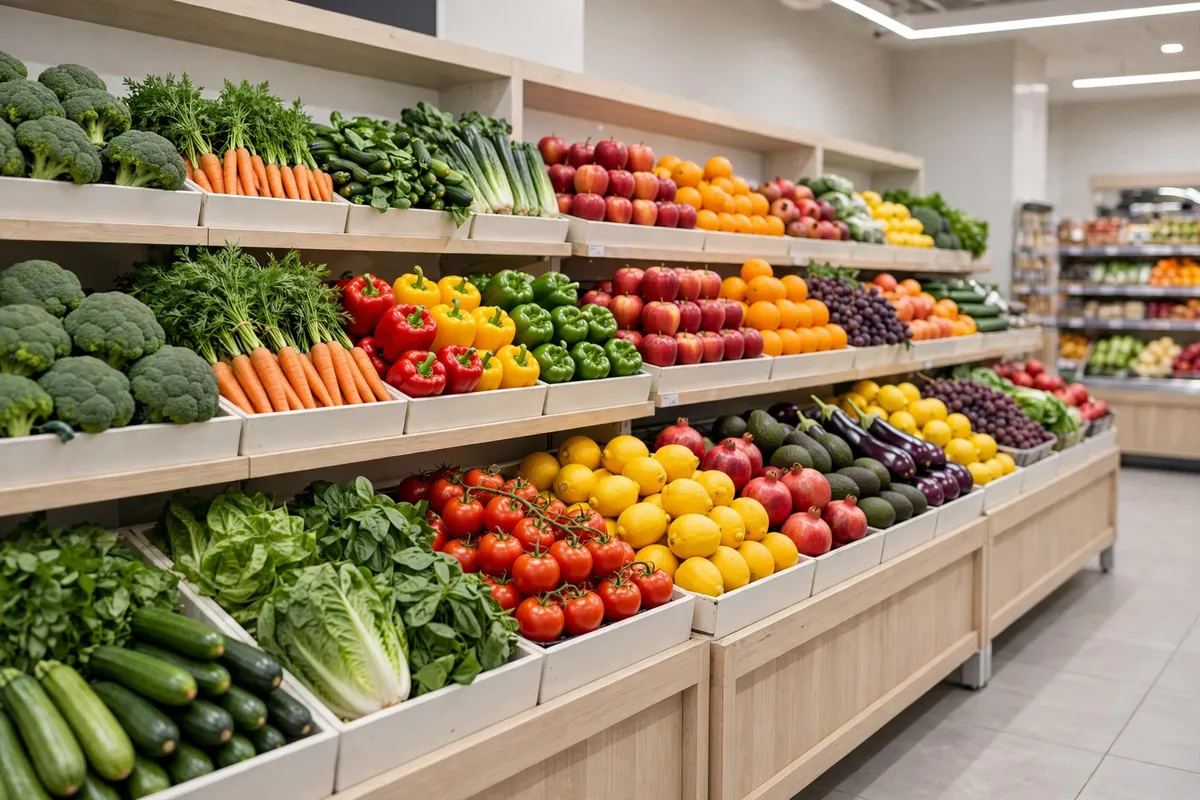
Fresh food is often on the outer walls: fruit, vegetables, bread, milk, and meat. Packaged snacks are often in the middle aisles.
4. Compare size, not just price.
A big pack is not always cheaper. Look at the price per kilo or per litre, if the store shows it. Pick the size that fits your home and your budget.
5. Check dates.
Look at the expiry date, especially for milk, meat, and fresh food. Buy what you can use before that date.
6. Keep cold food last.
Pick up milk, meat, and frozen food near the end of your shop. Then go home soon, so cold food stays cold.
Put together, these little habits can save you time, keep the trip calm, and cut down on waste — and that usually saves money too.
How to Avoid Impulse Buying
Impulse buying means buying things you did not plan to buy.
Try these tips:
- Do not walk down every aisle. Walk only where your list takes you.
- Give yourself a small treat budget, if you like treats. When it is spent, it is spent.
- Do not buy a new product just because it is on sale, unless you will really use it.
- Shop alone when you can, if shopping with kids or friends makes you buy more.
You do not need to be perfect. If you buy one extra item, that is fine. The goal is to buy less by accident, not to feel guilty.
Shopping With a List vs Without a List
A list does not take away every surprise in the store. It just gives you a plan to come back to when something tempting catches your eye.
| What usually happens | With a list | Without a list |
|---|---|---|
| Time in the store | You follow a clear path and finish sooner | You wander more and take longer to decide |
| Extra items | Fewer unplanned items, because you check each one against the list | More unplanned items, because every aisle is a new idea |
| Forgotten items | Less likely to forget a main item you planned for | Easier to forget something and need a second trip |
| Food waste | Less waste, because you buy for meals you already planned | More waste, because extra food may go bad before you use it |
| How the trip feels | Calmer, because you know what you came for | More rushed or stressful, because decisions pile up |
A list will not make every trip perfect. It simply makes a good trip more likely.
How to Grocery Shop Without a Car
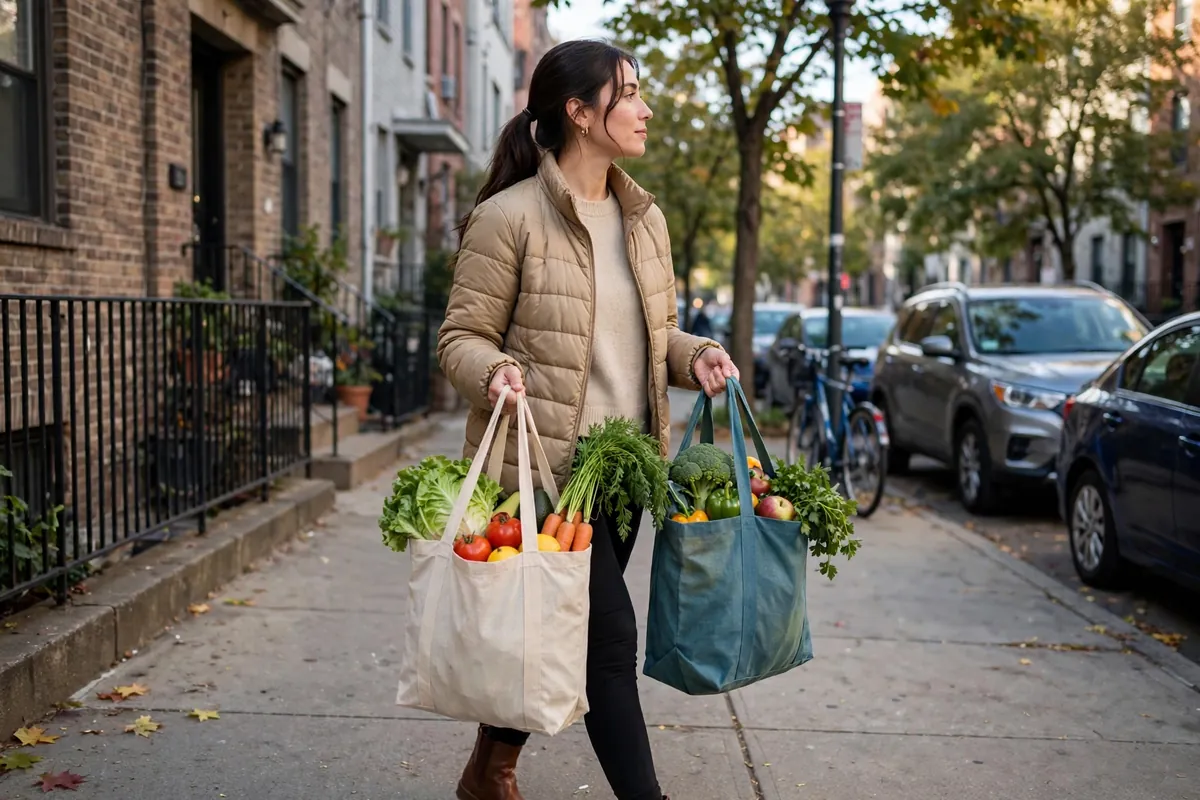
You do not need a car to shop well. Try one of these ways:
Walk with a list and a bag.
Buy only what you can carry with ease. Shop twice a week in smaller amounts, if the store is near you.
Use a trolley bag.
A wheeled bag helps you carry more without hurting your back.
Use a bus or train.
Plan your trip so you are not carrying heavy bags for a long time. Keep cold food in an insulated bag, if you have one.
Shop online for heavy items.
Rice, water, and cleaning items are heavy. If delivery is available and fits your budget, order heavy items online and buy fresh food in person.
Ask for help when you need it.
A friend, family member, or neighbour can help with a big shop now and then. There is nothing wrong with asking.
The best way is the way that fits your home, your health, and your budget.
Food Safety While Shopping and at Home
Keeping food safe does not have to be hard. A few simple habits will do most of the work:
- Keep raw meat away from ready-to-eat food in your basket and bag.
- Put cold food in the fridge soon after you get home.
- Wash fruit and vegetables before you eat them.
- Store leftovers in clean, closed boxes in the fridge.
- If food smells bad or looks strange, do not eat it. When in doubt, throw it out.
Clean hands, clean bags, and cold food kept cold will keep most problems away.
A Simple Weekly Grocery Routine
Here is a routine you can repeat every week:
Day 1: Plan.
Check your cupboards. Plan three or four meals. Make your list.
Day 2: Shop.
Shop with your list. Buy basics first. Check dates and sizes.
During the week: Use what you bought.
Cook the meals you planned. Use fresh food before it goes bad.
End of the week: Check again.
What is left? What did you waste? What will you buy less of next time?
This routine takes a little time at first. After a few weeks, it feels easy. After a while, it just becomes your normal way of shopping — with less thrown away, less rushing, and a clearer idea of what you actually need.
This weekly routine is one of the Best Money Saving Strategies.
A Fair Look: Does Planning First Really Work?
Planning first means checking what you have, planning a few meals, and making one list before you shop. Here is an honest look at how it holds up.
What it is judged on: time, money, food waste, stress, and how easy it is to keep doing week after week.
What is good:
- It cuts down on forgotten items and second trips.
- It helps you use food before it goes bad, which can save money over time.
- It gives you a clear answer when you are tempted by something extra: is it on the list, and do I need it this week?
- It works with the other tips in this guide, like buying basics first and checking dates and sizes.
What to watch out for:
- It takes a little extra time at home in the first few weeks, before it becomes a habit.
- A strict list can feel limiting if your plans change during the week, so leave a little room for one or two swaps.
- It will not fix every problem on its own. Prices, store layout, and what is in stock still affect what you buy.
- If the list is too long or too detailed, it can feel like hard work. Keep it short and simple.
Who it suits:
- People who want calmer, shorter trips and less food thrown away.
- Households that cook a few planned meals each week.
- Shoppers without a car who need to keep bags light and trips short.
Who it may not suit as well:
- People who prefer to decide meals day by day, based on what looks fresh that day.
- Very busy weeks when even a short planning session feels like too much. In that case, a short basics-only list is still better than no list at all.
Overall, planning first is a simple habit, not a strict rule. Use it when it helps, adjust it when life changes, and keep the parts that make shopping easier for you.
No star rating is given here, because this is a habit, not a product, and how well it works depends on your home, budget, and routine.
Mistakes to Avoid
- Shopping without a list
- Shopping when you are very hungry
- Buying in bulk what you will not use in time
- Forgetting to check what you already have at home
- Leaving cold food out for a long time
Avoid these, and most grocery trips will go well.
Quick Check: Are You Shopping Smarter?
- Do you have a list before you go?
- Do you buy basics first?
- Do you check dates and sizes?
- Do you keep cold food cold?
- Do you waste less than before?
If you can say yes to most of these, you are already shopping smarter.
Questions People Ask
What is the best way to do grocery shopping?
Plan at home, make one list, buy basics first, stick to your list, and keep cold food cold on the way home.
What are the essentials for food shopping?
Rice or bread, eggs, milk, fruit, vegetables, cooking oil, salt, and a protein like chicken, beans, or lentils. Change the list to fit your home.
How can I shop smarter and save money?
Plan meals, make a list, compare size prices, avoid impulse buys, and use what you buy before it goes bad. Saving comes from less waste, not from buying less food you need.
How do I grocery shop without a car?
Shop in smaller amounts, use a wheeled bag, use public transport, or order heavy items for delivery and buy fresh food in person.
How do I keep food safe after shopping?
Put cold food in the fridge soon, keep raw meat away from ready food, wash fruit and vegetables, and throw out food that smells bad or looks strange.