









Energy efficiency means doing the same work with less energy.
If two lights give you the same bright light, but one uses less power, that light is more energy efficient.
That is really all there is to it — you still get what you need, just with less going to waste.
Energy Efficiency in Simple Words
Think of energy as fuel for a job.
A machine takes in energy. It does a job. Some energy is useful. Some energy is wasted.
A good machine puts most of its energy to work, while a poor one lets a lot of it slip away instead.
Here is a simple example:
- Light A uses 100 units of energy. It gives 90 units of light. It wastes 10 units as heat.
- Light B uses 100 units of energy. It gives 10 units of light. It wastes 90 units as heat.
Light A is more energy efficient. It does more useful work with the same energy.
That is why people say: energy efficiency means less waste, not less comfort.
You still get light. You still stay warm. You still wash your clothes. You just use less energy to do it.
Energy Efficiency vs. Energy Conservation
At first, these two sound like the same thing, but they actually work in different ways.
Energy efficiency means using a better tool or machine to do the same job with less energy.
Example: You change an old bulb to an LED bulb. You still get the same light. The LED uses less power.
Energy conservation means using less energy by changing what you do.
Example: You turn off the light when you leave a room. You use less energy because you use the light for less time.
Both help, just in different ways: efficiency comes from a better tool, while conservation comes from a better habit.
You can use both at the same time.
Energy Efficiency in Physics: For Students
In physics, energy efficiency is about input and output.
- Input energy is the energy you put in.
- Useful output energy is the energy that does the job you want.
- Wasted energy is the energy that does not help. It often turns into heat or sound.
Here is a simple way to find efficiency:
Useful energy out ÷ total energy in × 100 = efficiency %
Try it:
- A machine takes in 100 units of energy.
- It gives 80 units of useful energy.
- 80 ÷ 100 × 100 = 80%.
So the machine is 80% efficient.
No machine is 100% efficient in real life. Some energy is always wasted. The goal is to waste as little as you can.
This is the same idea students learn in energy efficiency GCSE physics: how much of the energy put in is used in a useful way, and how much is wasted.
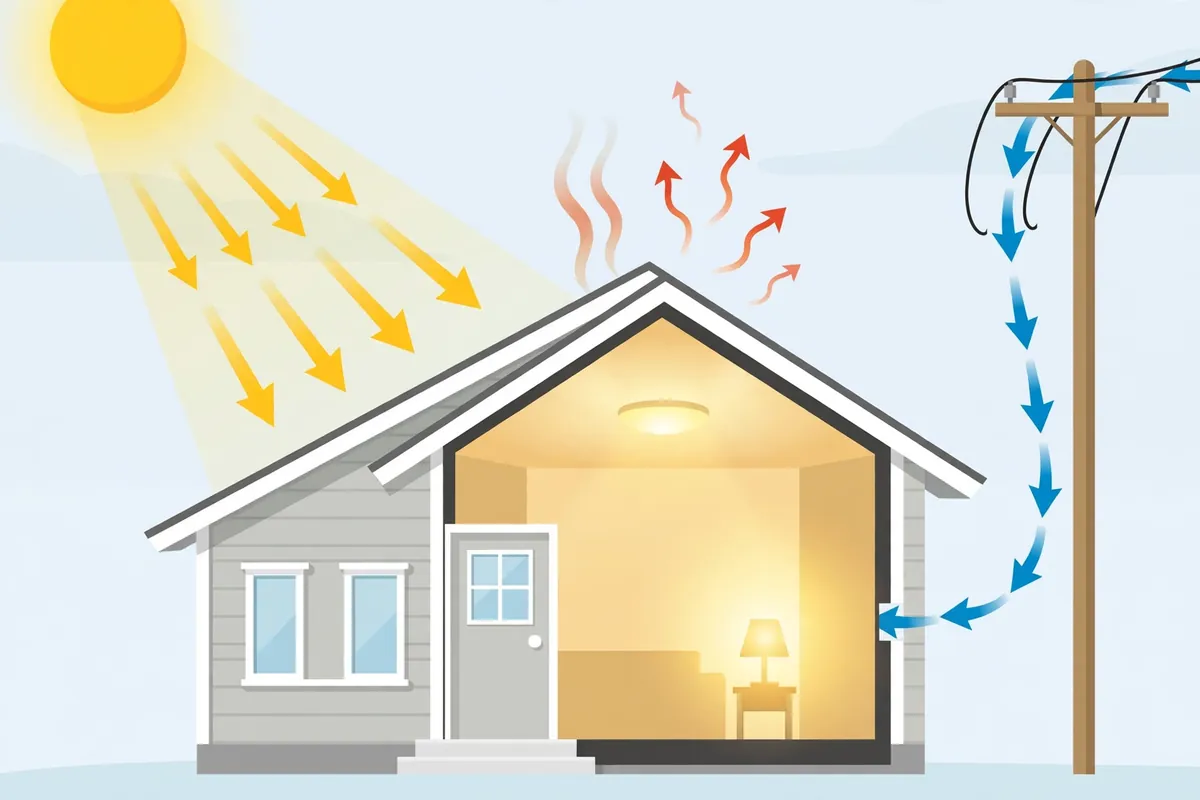
Easy Examples of Energy Efficiency
1. Lights at home
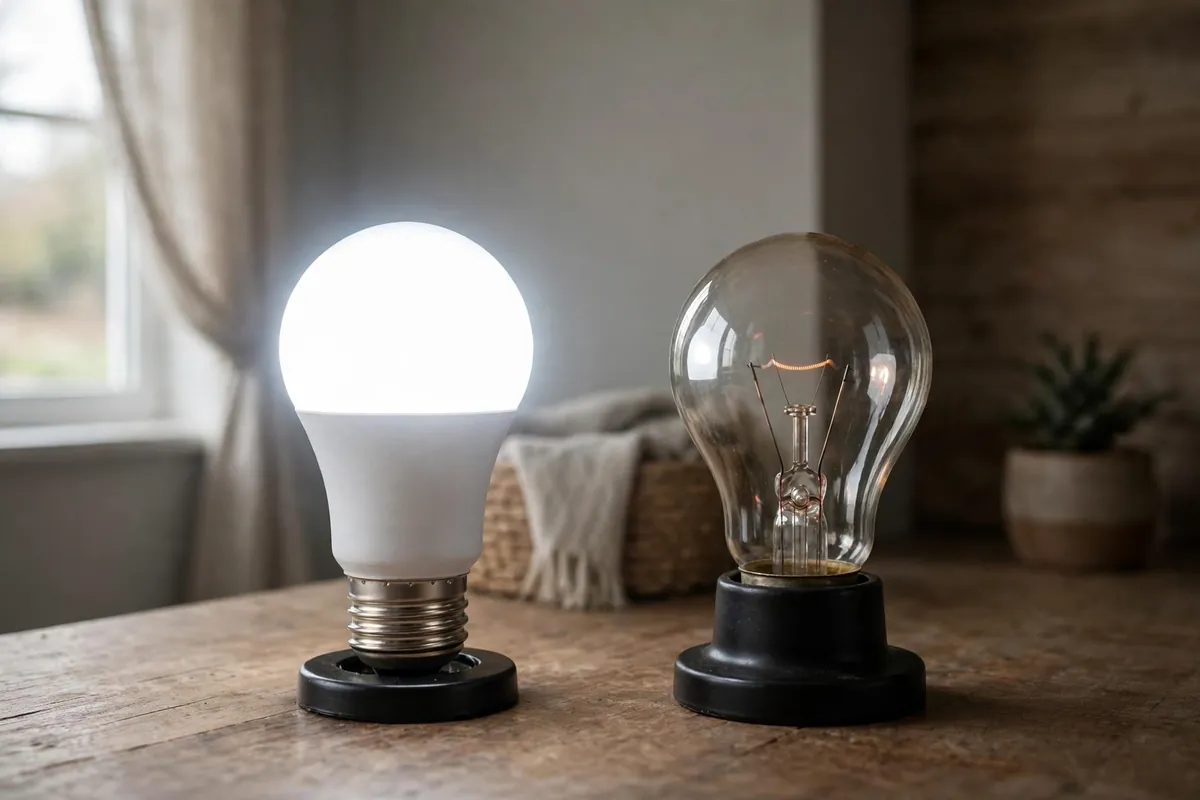
An LED light gives bright light and uses less power than an old bulb. That is why LED lights are a common example of energy efficiency at home.
2. A fridge
A good fridge keeps food cold all day. An efficient fridge does this job with less power than a poor fridge.
3. A washing machine
Washing clothes in cold water can use less energy than washing in hot water. The clothes still get clean, in most cases, but the machine uses less heat.
4. A car
A car that goes farther on the same amount of fuel is more energy efficient. It does the same job — it takes you to school or work — with less fuel.
5. A home
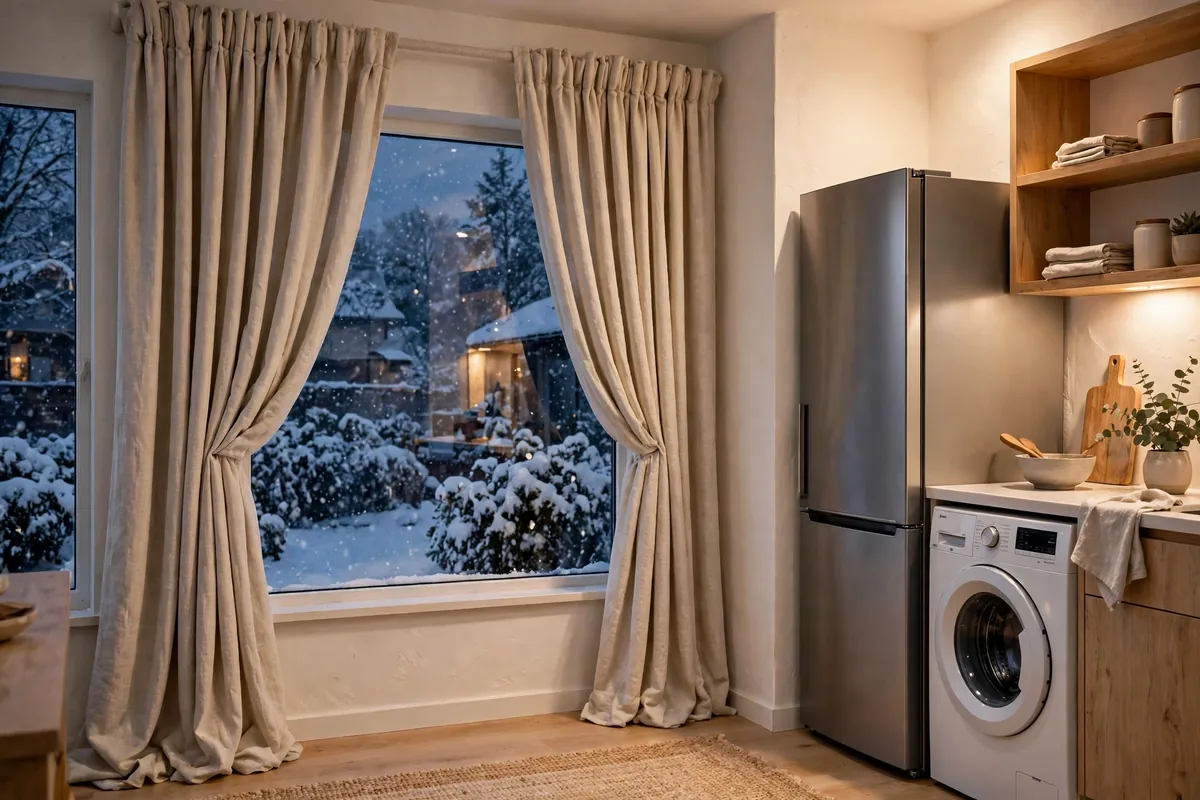
A home with good insulation keeps heat inside in winter. The heater does not need to work as hard. Less heat is lost. Less energy is used.
In every one of these examples, you still get the job done — there is simply less waste along the way.
These choices are also Best Money Saving Strategies.
| What to compare | Old bulb | LED bulb |
|---|---|---|
| The job | Gives light | Gives the same light |
| Power used for that job | Uses more power | Uses less power |
| Energy wasted | Wastes more, often as heat | Wastes less |
| How to judge it | Do not judge it by power alone | Check it still gives enough light for the same job |
In short: the LED bulb is the more energy-efficient choice here because it does the same job — giving you enough light — while using less power and wasting less.
What Is More Energy Efficient?
Ask these three simple questions:
1. Does it do the same job? A dim light is not better just because it uses less power. It must still give you enough light.
2. Does it use less energy for that job? If yes, it is more efficient.
3. Does it waste less as heat, sound, or extra power? Less waste is a good sign.
When you shop, look for an energy label if your country uses one. The label can help you compare two products. Labels are not the same in every country, so read what the label means where you live.
Also check the watts. Watts tell you how much power a product uses. In general, a lower watt number for the same job can mean less energy use, but always compare products that do the same job.
An Honest Look: Is an LED Bulb the Better Choice?
Judged only by the three questions in this post — does it do the same job, does it use less energy for that job, and does it waste less — an LED bulb comes out well against an old bulb for the same amount of light.
What is good:
- It gives the same light as an old bulb but uses less power.
- Less of its energy is wasted, so more of it goes to the job you actually want.
- It fits the simple rule in this post: same comfort, less waste.
What to watch out for:
- A dim light is not better just because it uses less power. It must still give you enough light, or it is not doing the same job.
- Energy labels are not the same in every country, so read what the label means where you live before you compare two bulbs.
- Watts only help when you compare bulbs for the same job. A lower watt number on its own does not prove a bulb is right for your room.
Who it suits:
- Anyone who wants the same bright light at home while using less power for that light.
Who it may not suit:
- Anyone whose bulb would not give enough light for the job, or who cannot check from the label and watt information that it truly matches the old bulb for brightness. In that case, do not guess — compare the same job first, using the three questions above.
Bottom line: for the same light, an LED bulb is a clear, simple example of energy efficiency. It is not a promise of an exact saving, because how much you save still depends on your home, your use, and your energy price.
Why Does Energy Efficiency Matter?
Energy efficiency matters for three simple reasons:
1. It can lower bills. When you use less energy for the same job, you may pay less. How much you save depends on your home, your use, and your energy price. No one can promise an exact saving for every home.
2. It wastes less. Less waste is good for your home and for the planet. When we waste less energy, we also make less pollution from making that energy in many cases.
3. It makes life easier. A well-insulated home stays warm longer. A good light stays bright. A good fridge keeps food fresh. You do not need to give up comfort to be efficient.
This guide explains energy efficiency from a simple physics idea that anyone can follow: compare the energy put in with the useful work that comes out, and count the rest as waste. Before you decide on a bulb or any other product, check the same three things used in this post — that it does the same job, that it uses less energy for that job, and what the energy label means where you live — because labels differ by country and a lower watt number only helps when the job is the same. This way of comparing is better than looking at power alone, since it keeps comfort in the picture: you are not asked to settle for a dim light or a cold home, only to find the option that does the same job with less waste.
Energy bills are one part of the List of Household Bills and Monthly Expenses.
Quick Check: Did You Understand It?
- Energy efficiency means doing the same work with less energy.
- A machine is efficient when most of its energy is useful, and little is wasted.
- Efficiency is not the same as conservation. Efficiency is a better tool. Conservation is a better habit.
- No real machine is 100% efficient. Some energy is always wasted.
If you can explain those four lines to a friend, you understand energy efficiency.
Questions People Ask
What is the meaning of energy efficiency?
It means getting the same useful work while using less energy and wasting less.
What is an energy efficiency example?
An LED bulb is a good example. It gives the same light as an old bulb but uses less power.
What is energy efficiency in physics?
In physics, it is the share of input energy that becomes useful output energy. The rest is wasted energy.
Is energy efficiency the same as saving energy?
Not quite. Saving energy can mean using less by turning things off. Efficiency means doing the same job with less energy, often by using a better product.
What is more energy efficient, an old bulb or an LED bulb?
In general, an LED bulb is more energy efficient for the same amount of light. It uses less power for the same job.